Great holiday gift ideas from Yarmouth shops

So you want to do the right thing and shop locally to support small businesses. But without the Yarmouth Port Stroll or another big holiday event on the calendar this year, you might be searching for a place to begin. And time is getting tight.

Don’t worry, we’ve got you covered.

With some pre-shopping research, we’ve compiled a list of great local gift ideas — each one memorable, unique, and available from a Yarmouth-area business. Plus, the stores we’ve highlighted here all provide COVID-safe shopping — whether indoors with social distancing measures, through online sales, or via telephone and curbside pickup. So deck the halls, check your list, and shop local.

Owl betcha they like this!

Got a bird-lover on your gift list? Head straight to Wild Birds Unlimited in South Yarmouth for feeders, foods, bird-bath heaters and other habitat helpers.

One of this year’s hottest items is a screech owl house, said retail associate Patty Donohoe. Owls typically choose their nesting sites before the winter, so right now is the perfect time to set up a nesting box, she said. Donohoe cautions that you’ll need a ladder, as the owl boxes should be placed in a tree, between 8 feet and 20 feet high.

It may take a while for the owls to locate your nesting box, but if you’ve heard the birds in your neighborhood, that’s a good sign, Donohoe explained. As the name suggests, Eastern Screech Owls will shriek at night. But they also make a haunting whinny, much like the sound of a distant horse.

Because screech owls are common on Cape Cod, Wild Birds Unlimited keeps the cedar nesting boxes in stock, says store owner Tom Thompson. The owl homes come with a bag of wood shavings and sell for just under $75. Call the WBU store at (508) 760-1996 or visit the Wild Birds Unlimited website for more info. Or drop by the shop at 1198 Main Street in South Yarmouth.

Crystal power at Instant Karma

Maybe you want to help a friend fight off the creeping negativity. Then consider giving the gift of earth energy with a crystal from Instant Karma of Cape Cod.

The new-age gift shop stocks amethyst, opalite, tourmaline, quartz and “things you could look at for hours,” says Daniel Thibodeau, an associate at the West Yarmouth location.

He says a geode can make a great centerpiece on the living room coffee table, but there are also stones you can carry around in your pocket for personal energy. “Each stone has a different kind of property.”

Thibodeau recommends a free-standing quartz or amethyst cluster, which are relatively inexpensive — priced in the $20 to $50 range. “They’re also the kind of thing that any person is going to stop and look at and appreciate,” he said. “They really do take your breath away.”

Instant Karma also has CBD products and a hippie boutique. Check out the options online at instantkarmacapecod.com.

Something sparkly from Harvest of Barnstable

Put some magic into your holiday gift bag this year, with a glittering home decor item from Harvest of Barnstable.

The Sparkle Tree is a 14-inch acrylic tree, complete with a silver base and star on the top. But the real magic lies in the battery-powered LED lighting, which illuminates the glitter floating inside.

The trees sell for $49.95 and are a big item this year, says store owner Pamela Parker.

Harvest of Barnstable also stocks locally-made wreaths, wall designs and floral arrangements, along with jewelry and bath items. “We make all of our wreaths and baskets and arrangements,” Parker said. “So we’re really pretty unique.”

Call or visit the store at 89 Willow Street in Yarmouth Port, 508-362-4595 or order online.

Gifts from local artists at Design Works

Looking for something completely different — like maybe a set of mussel shell tree ornaments, a Sandy Neck beach towel or musky-scented Sea Clay Soap from the Atlantic Sea Co. in Falmouth?

You’ll find a wide assortment of locally made gifts at Design Works. Shopping local is important, says store owner Margaret Hill, and buying local items made by local artists is even more so. The Yarmouth Port shop stocks hand-made ceramic bowls, hand-painted holiday ornaments, platters, mugs and other gift items — made by New England craftspeople, she said.

Because of the pandemic, local artists who typically sell their ware at craft fairs and festivals haven’t had the same opportunities this year, she explained. There have been some virtual festivals, but people like to actually see the pieces they buy, she said, noting that the small store allows them to do just that.

If you’re short on gift ideas, The Design Works website features a gift-buying guide, as well as items in its Holiday Collection. Visit the shop at 159 Main Street, Yarmouth Port, or order online.

Need more local gift options?

If you still haven’t found the right gift, here are a few more suggestions.

  • Find something in green at Agway of Cape Cod, 686 Route 134, South Dennis. The farm supply store stocks wreaths, trees and myriad items for the gardener on your gift list. If you want a gift that will be cherished for years, consider a dwarf citrus tree, which can be grown indoors during winter months and placed outside during the summer. Meyer lemon trees are especially productive and easy to grow, with aromatic white blossoms followed by large and flavorful fruit.
  • For friends with a sweet tooth, try the Toffee Sampler at Robin’s Toffee by the Sea, 12 White’s Path in South Yarmouth. The “deliciously addictive” toffee is made from a family recipe by Robin Costa. The toffee sampler includes original toffee, plus dark chocolate sea salt toffee, Vienna coffee toffee, peppermint toffee, and more. Check out other options at Robin’s Toffee by the Sea website.
  • If you’re looking for a special toy, head to Cape Cod Toy Chest, which is running a month of Black Friday specials. Deals include 20 percent off books for kids, as well as 20 percent off items from Mellissa & Doug, Learning Journey, and Wild Republic. Check out the options online and visit or call the store at 529 Route 28, West Yarmouth, 508-593-8699. Finally, don’t forget to grab a Toadally Funky Frog, free with any purchase.

For even more local gift ideas, check out the Yarmouth Chamber of Commerce’s Shop Local directory, with a listing of local stores and links to their websites.

Beginning Dec. 10,  participating stores will receive visits from Salty Sally, with daily photos posted on social media. Guess the location correctly, and you’ll be entered to win a gift basket of Yarmouth goodies. Be sure to follow and like the YCC’s Facebook page.

Andy Tomolonis is a nonfiction author, travel writer and multimedia journalist.

Think outside the bogs for cranberry culture

Autumn is cranberry-picking season in Yarmouth and much of Cape Cod, as the tart-flavored berries ripen to brilliant hues of scarlet and burgundy. If you enjoy colorful photos, think of the bright red berries floating en masse on blue water that reflects the even bluer October sky. Spectacular!

Cranberry Bogs

Unfortunately, local cranberry festivals have all but disappeared this year due to the social distancing requirements needed to prevent the spread of COVID-19. But that doesn’t mean you have to miss the colorful harvest. You just have to think outside the bogs.

Glenn Van Wickle, manager of the Route 6 Visitor’s Center in Barnstable, says people from around the U.S. are constantly asking him where they can see the cranberry bogs — even in spring and summer months when there’s not much to look at. When harvest season arrives, Van Wickle advises visitors to check out two of his favorite cranberry viewing spots in Yarmouth.

One of his choices is located just north of Route 6, near White’s Path, where Mayflower Terrace / Knob Hill Road veers off North Main Street. The road runs parallel to the Mid-Cape Highway at the southern end of the bog, offering unobstructed views of the crimson acreage.

Another spot is located on West Yarmouth Road, near the intersection of Buck Island Road. There’s a small pull-out on West Yarmouth Road near the northern end of the bog where a few cars can park, Van Wickle said. There’s also ample space for walking around the bog, and the owner allows visitors as long as they stay off the bogs and avoid areas where people are working.

You can also access adjacent bogs via the Raymond J. Syrjala Conservation Area, a 15-acre wooded parcel with a main trail that begins along Plashes Brook. It follows a fence to an opening that leads to the bogs, where hikers are allowed to stroll, as long as they keep their pets on leashes and respect the workers who are tending to the bogs. Find more about the Syrjala Conservation Area at the Town of Yarmouth website.

Unfortunately, growers typically don’t share the date of their harvests, Van Wickle said.

Cranberry Bog Tours

If you want to learn everything you’ve ever wanted to know about cranberries and take a tour of a working bog, check out Cranberry Bog Tours in Harwich.

Leo and Andrea Cakounes own the 50 acre site, where they tend to some livestock and manage 20 acres of certified organic cranberry bogs. They also host guided bog tours covering the myriad techniques that cranberry growers employ from January through December.

Tours are still operating this year — albeit under restrictions required to protect customers and employees from the spread of COVID-19. Vehicles equipped to carry 20 passengers now carry  just 10-12 people, so slots fill up quickly and space is limited, he said.

Plan on a two-hour visit, which includes the 90-minute tour, along with some time to check out the farm’s livestock. Cranberry bog tour reservations are mandatory.

If you’re hoping to watch workers flood the bog and use booms to corral and harvest the berries, you’re out of luck here. That’s not part of the tour, Cakounes explained. He said the work involved with harvesting berries is intensive and over quickly. On days when workers are harvesting, there is too much activity at the bog to host a tour.

Find out more about the tours and pricing (and book a reservation) at the Cranberry Bog Tours website.

Did you know?

Maybe you already knew that cranberries are not grown in water — even though bogs are often flooded for harvesting and for cold-weather protection. If you’re curious about other cranberry facts, here are some items from Ocean Spray growers cooperative:

  • The first recorded cranberry harvest was in Dennis, Massachusetts in 1816.
  • There are nearly 1,000 cranberry growers in America, with most of the berries grown in five states: Massachusetts, Wisconsin, New Jersey, Oregon and Washington. Massachusetts has more than 14,000 acres dedicated to cranberry production.
  • Americans consume about 80 million pounds of cranberries during Thanksgiving week, which is about 20 percent of the 400 million pounds of cranberries the U.S. consumes in a year.
  • Cranberries are picked using both dry and wet harvesting techniques. The fresh cranberries that you buy bagged in grocery stores are dry-picked, while the berries used in juices, sauce, and for dried cranberries are picked via wet harvesting.

Andy Tomolonis is a nonfiction author, travel writer and multimedia journalist.

Fall is Prime Time for Fishing in Yarmouth

The summer sun may be fading, but the saltwater fishing is still heating up.

Early autumn is a sublime time for fishing around Yarmouth and much of Cape Cod, with stripers and bluefish feeding in schools before heading southward to warmer waters. There’s also plenty of action on the bottom, if you want scup, tautog, black sea bass and flounder – all feeding and fattening up for winter. Yes, all those “little ones” that were tossed back during June and July because they were too small, are now bigger and fatter. After Labor Day, the piers and boat launches are less crowded, too – especially on weekdays.

Yarmouth has plenty of great fishing spots where the big ones are biting – off the piers, off the jetties, along the beaches and even around the 127-acre man-made reef – a “haven” for sea bass, scup, tautog and other bottom-feeders.

Well I’ll be… an ‘Albie’

All the varied habitat in Yarmouth makes for intense rod-and-reel action. But the biggest prize for autumn anglers is the electrifying strike of an “albie” or its close relative, the bonito. False albacores (“albies” for short) and their cousins, bonito, show up with flashes of splashes along Yarmouth’s warm-water shorelines every September, chasing silversides, peanut bunker (menhaden), and other small bait fish. Those who hook into one can look forward to the fight of a lifetime, with long, line-stripping runs that put both your fishing gear and your biceps to the test.

The fast-moving fish can show up anywhere along the jetties or shoreline of Yarmouth’s south-facing beaches, especially in the early morning and evening, says Garrett Kinnen of Rivierview Bait and Tackle in South Yarmouth. He recommends following the birds to find the fish, then casting epoxy jigs or small “metals” with a fast retrieve.

jetty fishing

You’ll also need more finesse than when fishing for bass or blues. Bonito and false albacore have outstanding eyesight and will ignore lures that are clipped to the end of a conspicuous steel leader. The most successful fishermen use light tackle and tie their lures directly to a nearly invisible fluorocarbon leader.

Stripers and bluefish are still active into October, so keep a rod rigged for those prime gamefish, too. Find out more about albies, bonito and other fall fishing targets, along with the best gear for catching them by contacting Riverview Bait and Tackle.

Reef fishing in Nantucket Sound

If you’re more inclined to fish the bottom with baited hook, try Yarmouth’s man-made fishing reef – aka the Tire Pile. Of course you’ll need a boat, as the site is located roughly 2 miles due south of Bass River.

The artificial reef was created in 1978, using cement-filled tires that were strapped together to prevent them from drifting, said Yarmouth Director of Natural Resources Karl von Hone. More materials have been added to the reef in recent years, but now the debris is limited to environmentally-approved materials like clean concrete and granite, he said.

The water in Nantucket Sound is about 35 feet deep, and the bottom is flat and sandy, von Hone explained, noting the artificial reef creates shelter for baitfish and marine invertebrates, which in turn attract the bigger fish that feed on them.

What kind of fish? Not only tautog, scup and other bottom-feeders, but occasional stripers, bluefish and false albacore. One fisherman even reeled in a Spanish mackerel at the site, he said.

The added structure at Yarmouth’s fishing reef only raises the bottom by 4-5 feet, so it isn’t a navigation hazard, von Hone said. Similar reefs have been created in Massachusetts waters since Yarmouth’s pioneering effort, including structures in Dartmouth, Boston Harbor and nearby Harwich. Learn more about Yarmouth’s fishing reef here.

Yarmouth also has public fishing piers along Bass River at Wilbur Park and Smuggler’s Beach. There’s easy access and parking, especially at Smuggler’s Beach (aka Bass River Beach). Find more information at the Town of Yarmouth website. Or check out a statewide map of fishing piers and boat landings here.

Party boat fishing is less crowded

If your vision of deep-sea fishing is a crowded gunwale with frazzled deckhands untangling crossed lines, think again.

When recreational fishing boats were allowed to operate this year, they had to follow stringent guidelines for social distancing amid the COVID-19 pandemic. That meant limiting the number of passengers (fishermen) on board, which ensured plenty of space for safe social distancing. A side-effect of the state policy is a whole lot of elbow room.

Hy-Line Cruises operates two popular fishing excursions from the Ocean Street Dock in Hyannis. There’s a six-hour trip, which uses a 49-passenger boat, and four-hour bottom-fishing trips that use a 65-person boat, said Pat Conklin, operations manager for fishing and sightseeing at Hy-Line. This year, the 49-passenger boat is limited to16 fishermen and the 65-person boat carries just 20 customers, Conklin said. The result is plenty of space for social distancing and even more elbow room for fishing.

“People are just ecstatic about having the extra room,” Conklin said.

The trade-off for so much space is a higher price per person, as operators adjust the math to cover their expenses. But the trips are still a bargain at $80 for four hours and $125 for six hours – especially when you consider that the price covers tackle, bait, expert advice, and even cleaning your catch on the ride back to shore. Plus, the fishing boat captains know where the big ones are biting, and boats are equipped with the latest fish-finding equipment to ensure a more successful excursion.

Safety is a top priority on board the deep-sea fishing boats, Conklin said. Customers are required to wear face coverings while using indoor areas, and surfaces are cleaned and sanitized on every trip.

Conklin said Hy-Line will be running its fishing trips through September, but you’ll have to check the Hy-Line’s website for the latest information. The site also lists rates and offers brief descriptions of fishing trips.

You can also find deep-sea fishing excursions with Helen H Deep Sea Fishing, which operates five boats out of Hyannis. The company offers trips to local waters, as well as longer excursions to Georges Bank for cod and haddock, according to its website. Find more information, including vessels and descriptions of trips at HelenH.com.

Specialized fishing trips

Yarmouth and surrounding communities also support a number of fishing guides, who can take you on a more personal adventure. You’ll pay more for the privacy of fishing in a small boat with an expert guide, but the experiences are certainly memorable, according to testimonials from repeat customers posted on the guides’ websites.

Private guides provide diverse experiences – from chasing bonitos and false albacores with light tackle to fly fishing for stripers or testing your strength and stamina fishing for giant Bluefin tuna and sharks.

Depending on the guide and type of trip, you may be charged by the day, the half-day or the hour. Many boats are large enough to accommodate a small group – allowing a family outing or a few friends who can pitch in to share the cost. It’s best to contact several guides to find the right person who can take you on the fishing trip that suits your wishes. Also, check with individual companies for their COVID-19 policies.

Here are a few individual charter companies in Yarmouth to help you get started: Bass River Fishing Charters at 10 Pleasant St., South Yarmouth; Emmajack Cape Cod Fishing Charters with Captain Mike Harney, also at 10 Pleasant St., South Yarmouth; Pythias Sportfishing with Captain Damon Burden at 7 Captain Chase Road in South Yarmouth; and  Shark Shark Tuna with Captain Shane Quenneville, at 17 Neptune Lane in South Yarmouth.

Find other outfitters in Yarmouth, Dennis and nearby communities, and check websites for prices, trip descriptions and testimonials by using your favorite search engine to locate “Yarmouth fishing guides” or a sport fishing website such as Fishing Booker.com.

Andy Tomolonis is a nonfiction author, travel writer and multimedia journalist.

Yarmouth ice cream shops offer sweet escape

In a summer marked by face masks and social distancing, local ice cream shop owners remind us that ice cream is still ice cream – a quintessential summertime treat that can melt your troubles away.

The 2020 season began in May for most Yarmouth shops with reduced hours, emergency workflow changes and fears about the spread of COVID-19. Business owners say they have adapted to the hardships and scooping is now steady. Shops use recommended health protocols, including some take-out windows and outdoor dining to protect customers and employees. And patrons have been mostly cooperative as they venture out for a break from work or a sweet reward after a long day under the sun.

Cape Cod Creamery’s treats

Cape Cod Creamery owner Alan Davis operates shops in Yarmouth, Dennis and Hyannis, and he said business has been different at each one. The recently opened Dennis location, 716 Main St., (Route 6A) has seen steady traffic this year – mostly from the year-round residents and those with summer homes, he said. Business has also been brisk at the Hyannis shop in the Christmas Tree Shop Plaza on Iyannough Road (Route 132). That shop features a lunch menu and is normally open year-round, he said, but like many restaurants it was closed in March. He re-opened in mid-May and business is now steady but still tracking behind previous years. Cape Cod Creamery’s main location at 1199 Route 28 in South Yarmouth is typically its busiest, Davis said. But this year it has felt the biggest impact from COVID-19, as it relies on customers from the hotels in South Yarmouth, which were slow in getting started this summer.

While there are no takeout windows, Cape Cod Creamery stores have separate entrance and exit doors, so customers don’t pass each other going in and out, Davis explained. The company also made changes to the interior layouts to protect both customers and employees. And all employees wear masks and gloves, he said.

“We just thought, if we outfit the store correctly, we can have people come in and everybody would be safe,” he said. “I think people got to the point where they wanted to get out, and coming in the store knowing that we had set it up safely, they were happy with that.”

Cape Cod Creamery makes its ice cream for all three shops at the Yarmouth location, and Davis said employees have been working on two shifts, seven days a week and 14 hours a day churning out gallons of Sandy Neck Snickers, Cummaquid Coconut, Hyannis Heath Bar, Chatham Chocolate and roughly two-dozen other enticing flavors. While America’s favorite ice cream remains old-fashioned vanilla, Davis says the Cape Cod Creamery’s best seller is Orleans Oreo, with Allen Harbor Almond Joy another top pick.

The key to making any great ice cream flavor is to start with good vanilla, which is the basis for everything, Davis said. Cape Cod Creamery uses Madagascar vanilla, considered the best in the world, along with Colombian coffee and gelato flavorings from Italy, he said. Find a full list of flavors at CapeCodCreamery.com.

The Hyannis and Yarmouth locations also sell “real ice cream” soft-serve, and all locations have gelato and sherbet choices. You can even find Cape Cod Creamery ice cream at local supermarkets, but Davis said he recently cut back on sales to off-Cape grocery stores after opening the Dennis shop.

Beyond the highly rated ice cream, Cape Cod Creamery’s greatest assets are the 40-plus young employees, trained to treat each customer with courtesy and care, Davis said. Customer service is always important, but even more so with COVID-19, he explained.

“If people are coming out and they’re coming to our shop, we need to bend over backwards to say thank you to them,” he said. “They’re making the effort to come to our place. So as good as our service was before, we need to bring it up, even a notch further, so that these people really understand how thankful we are for supporting us.”

Gelato at the window

At Caffè Gelato Bertini, co-owner Cindy J. Duby said business has also been steady after a slow start. The shop opened at the end of May – a few weeks later than normal, and she and her husband Tom plan to remain open until the end of October.

The small indoor area at Caffè Gelato Bertini has remained closed to customers this summer, and all commerce is handled through the new take-out window. Fortunately, the business already had a large window, which was easily converted for take-out, she said.

While scooping has been steady, it’s not as robust as in previous seasons – a trend she attributes to fewer guests at beachside hotels. Caffe Gelato Bertini is located along South Street – the main drag to South Shore Drive, Bass River Beach and some 1,500 hotel rooms. If occupancy is down in the area’s hotels, she explained, “we’re all bound to feel it.”

While Caffé Gelato Bertini has cut back its hours of operation this season, the owners still make more than 100 different gelato flavors, Duby said. The website only lists 24, but when one flavor sells out, it’s often replaced by a new one, she explained. Customer favorites include Stracciatella (a cream-flavored gelato drizzled with dark Italian chocolate) and Zabaglione (a custard-gelato with the taste of Marsala, pine nuts and orange). Her own favorite is lemon, with a little tartness to complement the sweetness.

Duby says most customers have been respectful of requests to wear masks and practice social distancing, and the cafe now has a sign advising customers: “No mask, no service.”

All is chill at Penguin’s Ice Cream Igloo

Patricia Kent-Friedman, owner of Penguin’s Ice Cream Igloo, said she was understandably nervous before opening for business this spring, finding it hard to imagine how things “would play out.” But the Igloo started scooping on May 8, with strict adherence to safety protocols – social distancing, constant sanitizing and setting up the shop’s outside area for safe business.

Penguins, located at 519 Route 28 in West Yarmouth, operates one window for money and credit cards and another window to send out orders, helping to keep a safe and orderly flow for customers.

“It has worked out so beautifully and effectively,” Kent-Friedman said in an email, noting that the sweltering temperatures this summer have spurred customers to cool off with old-fashioned ice cream. The result: business has been “pretty much the same or better” than previous seasons.

Penguins sells more than 60 flavors of hard ice cream from Bliss Dairy in Attleboro, along with soft-serve, sorbets, sherbet, frozen yogurt, and more. Vanilla is still the No. 1 flavor, she says, but Grape Nut, Oreo and Extreme Chocolate are gaining ground. And most everyone loves their ice cream served in a waffle cone.

Customers have been wonderful in accepting the safety protocols – wearing masks, keeping their distance and being patient. And she said they are extremely grateful that “we are able to provide them with some form of happiness, which ice cream does.”

Penguins will also deliver ice cream to vehicles when customers call in advance. “We do whatever we can do,” she said. “I am so blessed that I can provide a lot of smiles … and offer something that people feel safe doing.”

Penguins Ice Cream Igloo does not have a website, but you can find information on the shop’s Facebook page, @penguinsicecreamigloo.

Last but not least…. the Lil’ Caboose

Mary’s Lil’ Caboose Ice Cream and Hot Dogs on Route 28 in South Yarmouth opened on Mother’s Day weekend this year and has seen steady business throughout the summer, according to owner Mary DeSimone.

All food items are served through the take-out window, and tables are spaced at least 8 feet apart, she said. Cleanliness has always been a priority, but now it’s more like an obsession, as she or a staffer cleans and sanitizes all the counters, benches, picnic tables and other surfaces every hour, she said.

The Lil’ Caboose serves soft and hard ice cream, along with sherbet, sorbet, frozen yogurt, shakes, Nathan’s Famous Hot Dogs and soft pretzels. All told the Caboose has more than 50 ice cream flavors, including fat-free, sugar-free, dairy-free and vegan choices. Roughly 90 percent of the ice cream is purchased from Gifford’s of Maine. DeSimone explained that she likes to keep her customers satisfied, and there are a few flavors that Gifford’s doesn’t carry. So she gets her Grape Nut ice cream from Bliss and her Rum Raisin from Creative Creamery.

So what are the top choices at Mary’s Lil’ Caboose? Peanut Butter Caramel Cookie Dough and Sea Salt Caramel, along with the standard coffee, chocolate and vanilla, which is often used in the Caboose’s specialty sundaes. This summer, Lil’ Caboose has been selling three times as many sundaes as cones, DeSimone said.

Find a full list of flavors, along with sundae toppings and business hours at lilcaboose.com.

Andy Tomolonis is a nonfiction author, travel writer and multimedia journalist.

Find fresh shellfish in Yarmouth’s coastal waters

Thinking of making your own creamy clam chowder, savory clams casino, or chilled littlenecks served on the half-shell? Here’s some good news. All those dishes can begin the same way – with fresh quahogs plucked from Yarmouth’s coastal waterways.

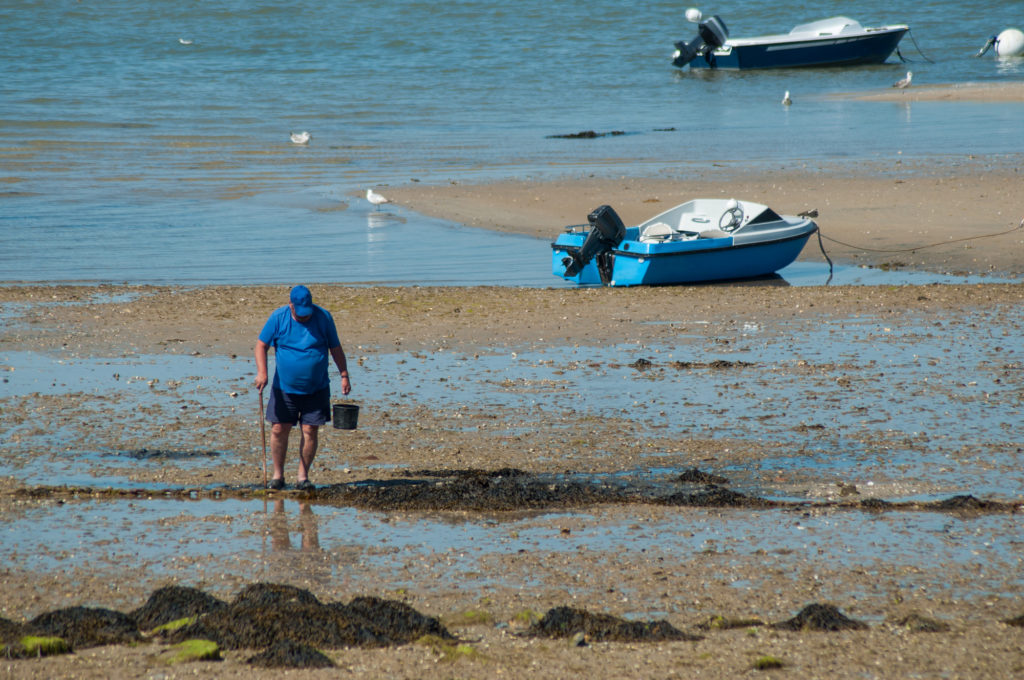
Hard-shell clams or quahogs (pronounced KO-hogs), are found throughout the town’s saltwater bays and estuaries. To harvest them, you’ll need a recreational shellfishing permit, which can be purchased from Town Hall. You’ll also need to follow the local shellfishing rules, advises Yarmouth’s Director of Natural Resources Karl von Hone. Here are some of the basics:

  • Yarmouth residents pay $30 for a one-year recreational license that covers quahogs, soft-shell clams (steamers), and sea clams, along with oysters and bay scallops, which have shorter seasons beginning in the fall. The permit price for non-residents is $80, and senior citizens (75 or older) pay $15.
  • Quahogging and clamming season runs year-round in Yarmouth, beginning in April and ending the following March. But areas are subject to temporary closures during summer months – especially after heavy rains, when water quality sometimes drops below state safety standards for shellfishing. The town’s waters are tested regularly for bacteria concentrations under supervision of the Mass. Division of Marine Fisheries, von Hone said.
  • Summer shellfishing in Yarmouth is limited to Sundays only. But during colder months, when weather is more likely to be inclement, Wednesdays are added.
  • Family members can work together under a single recreational permit, raking in up to 10 quarts of quahogs and 10 quarts of soft shell clams per week.
  • While Yarmouth has ample areas for quahogging, von Hone said that digging for soft shell clams (steamers) is limited.
  • Quahogs must be at least 1 inch across the thickest part of the shell (near the hinged end), and soft shell clams must be at least 2 inches long. Local hardware shops and fishing tackle stores often sell gauges for measuring shellfish.
  • Find complete information on Yarmouth’s shellfishing rules at the Division of Natural Resources website.

Safe family activity for social distancing

During summer, when both the air and water are comfortably warm, quahogging makes a great family outing, van Hone said. Think of swimming in the ocean for a couple of hours, and then returning home with your dinner.

It’s also a workable activity for social distancing under COVID-19 protocols. You’re outdoors in nature – often with a stiff ocean breeze in your face – and there’s generally room in the water to keep a safe distance from others. But you should still exercise caution when using limited parking areas or walking on paths to and from your destination. Be courteous and stop to allow others to pass with ample space, von Hone said. Since parking is limited at many of the popular shellfishing locations, it might be a good idea to have someone drop you off and then pick you up when you’re finished.

What gear will you need?

Collecting a 10-quart limit of fresh quahogs takes an hour or two of moderate work – more like play really, as you slosh around in waist-deep water and stop every minute or so to drop a couple of shellfish into your floating basket. To make your basket float, squeeze it into an overinflated tire tube and tether it to your waistline so that it bobs along wherever you go. It’s also wise to keep a shellfish gauge tied to the handle of your basket.

Chest-high waders are a good idea when the water is cold, but swim trunks will suffice during summer months. The only other equipment you’ll need is a quahog rake, which is a strong, steel-headed rake with long tines to pull the shellfish from their muddy beds. Shellfish rakes have sturdy wooden handles and a metal basket behind the tines to catch the shellfish. Once you get the hang of working a shellfish rake, you’ll actually feel the difference between scratching quahogs and dragging up a pile of rocks.

If you don’t have a rake, try feeling around with your feet. As kids growing up on the Cape, we always waded out at low tide to where the water was roughly waist-deep. Then we crouched down low, so the water covered our shoulders and we felt the bottom with our feet. The bay water was always murky, so we wore an old pair of sneakers, just in case we bumped into a menacing blue crab. Today, water socks make sneakers obsolete, and lightweight gloves with rubberized palms can help allay the fears of being pinched by a startled crab.

Where can i go quahogging?

Yarmouth has plenty of sheltered waters for scratching quahogs, but the town opens and closes different areas in a rotational plan, working with the state Division of Marine Fisheries, von Hone said. That’s why it’s important to check the Yarmouth Division of Natural Resources website for information.

For example, winter-season quahogging is allowed off Wilbur Park in Bass River, but during summer the open area rotates to Lewis Bay or Lewis Pond, said von Hone. In the fall, the open area is switched to Mill Creek, which is off of Lewis Bay, he said. Next it returns to Wilbur Park or Bass Hole, and it later switches back to the summer location, von Hone explained.

Lewis Pond, which is typically a popular summertime area, will be closed this year, von Hone said, noting that quahogging will be allowed in a section of Lewis Bay (stretching roughly from the end of New Hampshire Avenue to the mouth of Mill Creek). Find updated shellfishing locations on the Yarmouth DNR website.

Managing quahogs stocks for the future

As the town opens and closes its quahogging areas, the Yarmouth Division of Natural Resources is working to make sure the shellfish population remains strong, von Hone said. Yarmouth and some other Cape Cod towns participate in the shellfish relay, a program that dredges quahogs from the Taunton River estuary, which is contaminated with excess fecal bacteria. The shellfish are transferred to cleaner waters, where they quickly purge the bacteria and become safe to consume, von Hone said.

Last year the Lewis Bay area was seeded with about 96,000 pounds of quahogs in varying sizes, von Hone said, noting that once the shellfish were introduced, the area was closed for a full year. The long closure provided more than enough time for quahogs to clean themselves, he said. And it gave them a chance to spawn and produce new stock.

Each female quahog can produce up to 5 million eggs during a spawning, according to the National Oceanic and Atmospheric Administration, which manages ocean fisheries.

Why do quahogs have so many names?

A quahog by any other name is still a quahog, but the species of bivalve mollusk known by scientists as Mercenaria mercenaria is certainly a creature with many aliases. Northern quahog is the popular name, quahog is a Native American name for clam, and following is a quick guide to the other terms related to the quahog’s size:

  • Little necks are the smallest legal size for quahogs, measuring just over 1 inch across the thickest part of the shell (right above the hinge). Because they’re small and tender, littlenecks are preferred for raw bars, as well as for grilling inside the shell or serving whole over pasta.
  • Middle necks are slightly larger than littlenecks (1¼ inches above the hinge). They’re especially good for raw bars, grilling in the shell, steamers and clams casino.
  • Top necks are the next size larger (1½ inches above the hinge) and are used for raw bars, steaming, and in-the-shell grilling. They’re also the perfect size for clams casino.
  • Cherrystones are larger still (2 inches wide above the hinge). They’re a little tougher than the smaller sizes, but they still can be eaten raw, steamed, grilled or used in clams casino. Cherrystones are also big enough to use for chowders or in baked-stuffed quahogs (aka “stuffies”).
  • Chowders are the largest of quahogs, sometimes half-a-pound each. The meat is tough and the flavor is strong, so they are typically steamed, then diced up for chowders or cooked, minced and mixed with bread cubes, butter, spices and sausage, then baked in the shell for stuffed quahogs.

Andy Tomolonis is a nonfiction author, travel writer and multimedia journalist.

Stay safe while kayaking Yarmouth’s waterways

Need some outdoor exercise but still want to practice social distancing? Go paddle a kayak.

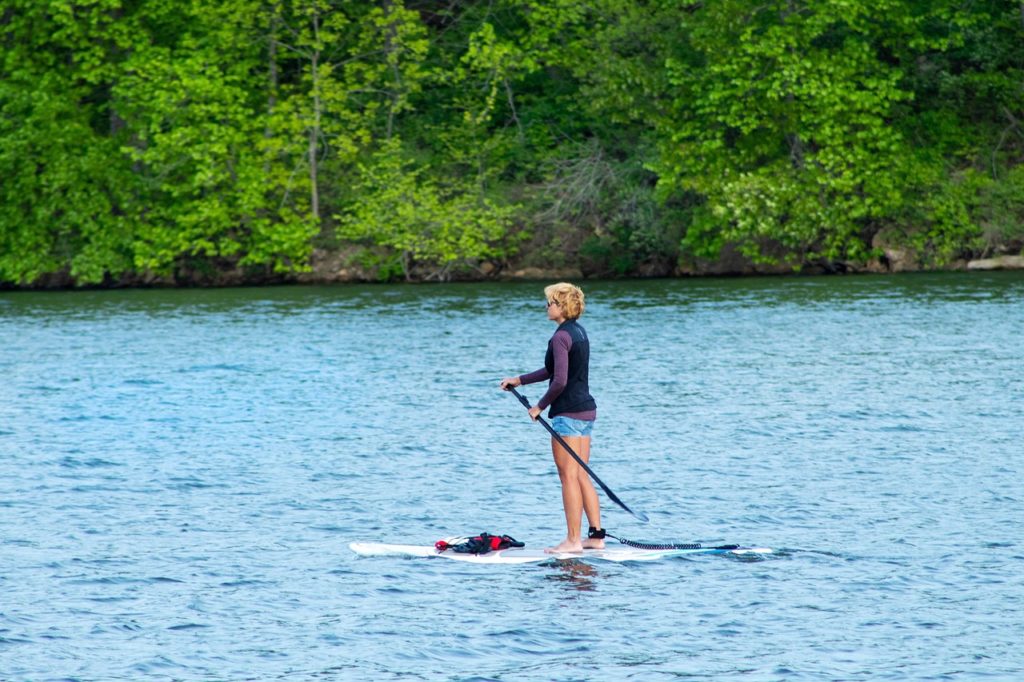
Flatwater kayaking on Yarmouth’s coastal waterways offers a welcome break from the home office – complete with the aroma of salty air and a chance to spot egrets, osprey and great blue herons. Best of all, you can do it from the cockpit of your personal, human-powered watercraft, keeping a safe distance from other paddlers.

Kayaking is also a wonderful low-impact workout. Even leisurely paddling exercises the core and upper body muscles, while offering moderate aerobic benefits. Depending on wind speed, currents, your weight and other variables, kayaking will burn roughly 200 to 450 calories per hour.

The sport is inexpensive, family friendly, fun for kids and, yes … some people even take their dogs out with them. Lightweight kayaks are easy to move and can be transported longer distances on the roof of a car. But you won’t have to travel far to find great paddling places on Cape Cod – especially in Yarmouth, which maintains numerous public boat launching areas. Finally, if you want to try the sport without buying a kayak, you can do that, too.

Bass River Kayaks & Paddle Boards, located on the east bank of Bass River at 118 Main Street, West Dennis (next to Sundancer’s), will rent you a kayak, deliver it and pick it up when you’re finished, says co-owner Ashley Smith. There are limitations to the local deliveries, which you can find – along with the store’s rental rates and hours of operation – at the Bass River Kayaks & Paddle Boards website. The physical store is preparing to open on May 23, if allowed under statewide COVID-19 policies, Smith said. But even if the physical store is closed, rentals and deliveries are still available by phone (508) 362-5555.

You can also rent a kayak and use it right on Bass River, Smith says, noting that Cape Cod’s longest river is a superb location for beginners.

Bass River is roughly 6 miles long, stretching from Mill Pond in Yarmouth Port to Smuggler’s Beach on Nantucket Sound, with numerous saltwater ponds and coves for quiet exploration. The Cape’s flat terrain makes Bass River easy for paddling in most locations, with no rapids or whitewater. But the river is a tidal waterway, Smith explained, meaning water flows upstream on an incoming tide and back downstream after high tide, changing direction every six hours. Paddlers can take advantage of the currents by planning their upriver trips on an incoming tide and taking a break for lunch before paddling back downstream once the current turns. Some other practical kayaking tips from Smith:

  • Always paddle with another kayaker and wear a life vest. The Coast Guard requires a life vest for each occupant of a boat, and for kayakers, it’s best to actually wear the vest instead of keeping it stashed onboard.
  • Even though the air temperature may be 70 degrees, the water temperature is still quite cold in May and early June. Staffers at Bass River Kayaks & Paddle Boards advise boaters to wait until the water temperature reaches at least 55 degrees F. And don’t venture too far from shore when the water is cold. You can call the kayak store to ask about water temperatures, tides and wind conditions or check one of the many websites that publish local water temperatures.
  • Keep close to the riverbanks. Not only will you get a better view of nature, but you’ll stay out of the channel and away from motorized watercraft. More precisely, motorboats navigate between the red and green channel markers, so kayakers should strive to stay between the shorelines and the marked channels. Also note that motorboats have the right of way (and they can’t slam on the brakes if you cut in front of them).
  • For easier paddling and calmer water, keep to the lee or sheltered side of the river. The calm water also makes it easier to see the bottom.
  • Carry a waterproof dry bag with clothes and a few necessities – just in case. Kayaks are much more stable than canoes, but accidents can happen. If you do get wet, you can reach into your waterproof bag for dry clothing. Sunscreen and bug repellent are also recommended.
  • Pack some snacks and drinking water. If it’s hot, you’ll need the water to stay hydrated, and you might want to stop for a picnic. Plus, if you have an emergency during your trip, the cell phone will come in handy. The Coast Guard also requires boaters to carry a sound-making device (kayakers can get by with a loud whistle on a lanyard).
  • Watch for heavier currents under bridges, where waterways narrow like a funnel. North of the Highbank Road Bridge on Bass River, paddling can be a little tricky when the current is running at its peak.

Some prime paddling spots along Bass River: The mile-and-a-half stretch from Route 28 south to Smuggler’s Beach on Nantucket Sound has lots to see – including osprey nests, egrets, cormorants and great blue herons. The West Dennis Fingers, on the Dennis side of the River, is a series of boat canals with beautiful homes. Heading upstream, Grant Cove is a nice spot for exploring quiet coves and inlets. The cove is also close to Wilbur Park in Yarmouth, where you can park a car.

Beyond Bass River, paddlers might want to explore Parker’s River, Swan Pond, Long Pond, Lewis Bay or other locations. Freshwater boat launches are found on Long Pond (at the end of Davis Road) and on Dennis Pond (off Summer Street) to the north, you can try to find the Bass Hole and Gray’s Beach site in Yarmouth Port, although the water gets shallow at low tide. Find a map of Yarmouth’s saltwater boat ramps at the town’s Division of Natural Resources Website.

Be aware that there are some new pandemic-related rules for Massachusetts boating ramps, according to Yarmouth Natural Resources Director Karl van Hone. The state now requires face masks and social distancing at public boat ramps. Other rules include no loitering or gathering at boat ramps for fishing tournaments or other activities and keeping boat occupants to members of the same family (not a problem with single-person kayaks). Find complete rules at the state Department of Fish and Game.

Andy Tomolonis is a nonfiction author, travel writer and multimedia journalist.

The Center for Historic Shipwreck Preservation

Students can now explore ancient shipwrecks, study marine science, dive into America’s maritime history and relive the Golden Age of Piracy – all without leaving their homes.

The Center for Historic Shipwreck Preservation (Shipwreck Center for short) launched a new online learning program in April, using the expertise and archaeological treasures of the Whydah Pirate Museum in Yarmouth. The project, which is up and running but still being expanded and refined, was prompted in part by the COVID-19 pandemic.

Brandon Clifford, executive director of the nonprofit Shipwreck Center, said education has always been a big part of the organization’s mission, but the virtual learning program was created after public schools shut down in March due to the novel coronavirus pandemic. He said he helped set up remote classrooms for the Laurel School in Brewster, where his daughter is a student.

“After watching my daughter and her classmates become separated, I just felt inclined to do something positive and help out in any way that I could,” he said. And that work led to the bigger project.

“We realized that we could potentially reach, hundreds or thousands of students online across the country and connect them this with this really unique history of pirates,” Clifford said in a telephone interview.

In addition to pirate history, the virtual learning program will cover a wide range of ocean-related topics, he explained. Lessons will reach students in kindergarten through 12th grade, with two categories – history and STEM (science, technology, engineering and math). The center also provides lesson plans and educator guides – all approved for Massachusetts schools, Clifford said.

Treasures from Whydah Bring Lessons to Life

Brandon Clifford is the son of undersea archaeological explorer Barry Clifford, who discovered the Whydah Gally shipwreck in 1984 and founded the Whydah Pirate Museum in West Yarmouth. The Shipwreck Center is independent from the pirate museum, with its own projects, research, resources and multimedia content, but Brandon Clifford’s ties to the museum and his father’s exploits help the center enhance its online classes with centuries-old artifacts recovered from the Whydah.  

“As time goes on, we’ll be able to do virtual field trips to a dive site,” he explained. Clifford envisions future explorations with “a camera out on a boat and a class being able to log on and join us for 45 minutes out on the ocean – watching how we set up our surveys and watching divers come out of the water with real pirate artifacts .”

The Whydah, a 100-foot slave ship that had been commandeered by pirate Samuel “Black Sam” Bellamy, was bound for Maine with a load of treasure when it sunk in a storm in 1717, killing Bellamy and all but two of his 146-member crew. Explorer Barry Clifford discovered the wreck near Wellfleet’s Marconi Beach in 1984, and more than 35 years later, the Whydah remains the only authenticated pirate shipwreck ever to be recovered.

The Whydah site remains a work in progress with new diving expeditions every year. Researchers are still discovering artifacts that reveal not only clues to the life of pirates, but also to the slave trade and everyday life in the 18th century, Brandon Clifford said. Three years ago, divers found some 600 manillas – copper bracelets used as currency in the slave trade. Crews also discovered a small cannon that was most likely used as a chase gun on the Whydah, and explorers hope the latest discoveries will lead them to the ship’s stern.

The wreck site is scattered on the sandy bottom roughly 1,000 feet out in the ocean, Clifford said, owing to 300 years of storms and waves eroding Cape Cod’s shoreline at a rate of roughly 3 feet per year. Explorers theorize that the Whydah broke apart in the waves and the stern drifted away.

In addition to the Whydah Gally, classes will explore other shipwrecks, Clifford said. Teams led by his father plied the water off Madagascar’s coast near the island of Sainte Marie (aka “Pirate Island”) and found a half-dozen wrecks, including one that was tentatively identified as Captain Kidd’s Adventure Gally. They also searched for the Santa Maria, Columbus’s flagship, and worked on the northern and southern coasts of Haiti, looking for Captain Henry Morgan’s ship, the Oxford.

“We are going to use all our projects as examples,” Clifford said. “We’ll look at artifacts from various shipwrecks, and as things progress, we’re going to include more classes and more guests and create more virtual field trips.”

Membership, Donations and Lessons

The Shipwreck Center is using CrowdCast for its webcast platform and raising money with Patreon.com – a web-based program used by artists, educators, writers and other creators to engage members and raise money for projects. CrowdCast integrates well with Patreon, Clifford said, allowing group questions and answers, which is well suited for a classroom environment.

The Shipwreck Center’s website contains links to the virtual education program, along with pricing and program descriptions in three membership tiers – student, family and home-schooling, and schools and classes.

Clifford says the virtual learning program currently has two Massachusetts schools enrolled, along with some student and family memberships. An April 30 webcast on the value of preserving history with expedition archaeologist and conservator Sophia Morong, was attended by roughly 60 students, he said.

Clifford is now hoping to expand the service beyond Cape Cod and Massachusetts to share the fascinating stories of Atlantic pirates.

“You know, essentially we’re storytellers,” he explained. “We’re looking for shipwrecks but we’re following stories. And we really look forward to sharing the experience with as many as possible.”

Yarmouth Chamber of Commerce blogger Andy Tomolonis is a multimedia producer, award-winning journalist and author.

Winter Birding on Yarmouth’s Conservation Trails

Sea Duck

Fall and winter hikes through Yarmouth’s conservation areas provide an underappreciated view of the town’s natural beauty. The trails are quieter, marsh grasses turn to shades of gold, and fallen leaves rustle underfoot. The quiet season is also a sublime time to view winter migratory birds, which leave the frozen, snow-covered terrain in Canada to seek food and shelter in Cape Cod’s comparatively balmy climate.

Sea duck

Yarmouth has roughly 1,800 acres of conservation land scattered around the town, with trails that ramble through woodlands, along kettle ponds and across salt marshes. The varied topography provides multiple types of wildlife habitat, which make great places for observing nature. Bird lovers walking these trails in the late fall and winter months might spy sea ducks, loons, and other cold-weather visitors, along with the many species that linger year round on Cape Cod.

Most people think that birding is only done during June, July and August, and the annual bird migration is just an exodus of summer dwellers, says Phil Kyle, naturalist, birding guide and former columnist for the Cape Cod Times. But as the summer birds retreat, new species arrive from the north, he explains. These winter migrants include some 15 to 20 species of sea ducks, which aren’t found on Cape Cod during warmer months.

Callery Darling Conservation Area

One of the best areas for spotting both waterfowl and upland birds during the chilly months is the Callery Darling Conservation Area. Located north of Route 6A, it stretches from Homers Dock Road to the salt marshes west of Center Street. Callery Darling is one of the town’s most ecologically diverse conservation areas, with overgrown cranberry bogs, abandoned farmlands, maple swamps, and salt marshes.

Screech Owl

The varied habitat boasts an extensive list of unusual birds that could be seen if you’re quiet, patient, and lucky. The list includes Virginia Rails, Screech Owls, Fox Sparrows, Eastern Towhee, Green-winged Teal, Hermit Thrush, Gray Catbird, Rusty Blackbird, Northern Harrier, Sanderling, Dunlin, and Tree Sparrows, Kyle said.

A highlight for all who hike the trails at Callery Darling is the 800-foot Bass Hole Boardwalk, which crosses tidal creeks and offers inspiring views of the salt marshes, especially at sunset.

Meadowbrook Conservation Area

An easily accessible hiking area – and a superb place for viewing birds – is Meadowbrook Conservation Area, overlooking Swan Pond. In addition to Mute Swans, you might see Kingfishers, Gadwalls, Hooded Mergansers, American Wigeon, and various species of Scaup, Kyle says.

The terrain at Meadowbrook consists of brackish marsh, salt marsh, and relic Atlantic white cedar swamp fronting on Swan Pond. A 310-foot boardwalk leads from the parking area to the north shore of Swan Pond.

 The best spots for spying winter birds is east of the boardwalk, Kyle advises.

Dennis Pond Conservation Area

Dennis Pond, if it’s not frozen, is another good spot to view water birds, including loons. You might also glimpse lingering cormorants, Bufflehead Ducks and Scaup, along with resident inland birds along the easy-walking trails adjacent to the railroad tracks, Kyle says.

The main trail at Dennis Pond Conservation Area is less than a mile long (about 3,285 feet) winding through varied woodlands. There’s also a side trail that follows closely along the shoreline and rejoins the main trail.

South Shore Drive

You can also spot sea ducks and other marine birds along Yarmouth’s beaches, says Kyle. So if long walks along the churning shoreline bring comfort to the winter in your soul, pack a pair of binoculars and head to South Shore drive. Yes, there are hotels, homes and cottages to the north, but there’s also the beauty of Nantucket Sound to the south, with salty southwest winds blowing off the water.

Mute Swan

The invigorating shoreline trek will take you about 1.3 miles from Bass River Beach (aka Smuggler’s Beach) along South Shore Drive to Thacher Park Beach. There’s a sidewalk and easy parking. Now that summer has gone, you’ll find plenty of empty spaces at the beachfront lots.

Plenty More Trails to Explore

Yarmouth has many other conservation areas, with trails and natural beauty for autumn and winter hikes. If you’re feeling ambitious, try the Bud Carter Memorial Trail, which winds through 300 acres of conservation land and is home to Yarmouth’s highest elevation – 118 feet above sea level. On a clear day you can see all the way to Manomet Point in Plymouth. Walking is also a little more trying on these trails, with some loose rocks, narrow paths, and unmarked side trails. (Note: The main trail is marked in red, and loop trails to the north and south are designated with orange markers.)
Horse Pond Conservation Area has 400 acres, with a main trail that follows the northern perimeters of Horse Pond. You’ll also find numerous spurs, loops and connectors to other trail systems.

Sandy Pond Conservation Area surrounds Sandy Pond, a 12-acre kettle pond with steep slopes and a depth of roughly 35 feet. A nature trail leads around the pond and connects to other trails to the north, west, and east. The adjoining trails can lead for miles, so don’t wander too far.

Sparrow

Thatcher Shore Conservation Area consists of mostly salt marsh with a short trail through wooded thicket. The marsh end of the trail offers a chance to see numerous wading birds, along with ospreys and other raptors flying overhead. This is also a good spot to test your vision on a clear day. Look northward and see if you can find the needle pointing upward from the horizon. It’s Pilgrim Monument in Provincetown.

Raymond J. Syrjala Conservation Area has 15 acres, with a 3,500-foot looping trail that winds through wetlands. A man-made reservoir to the east was once used to store water for cranberry bogs that are now abandoned and overgrown.

Find more walks – along with trail rules and additional details about the places we’ve listed here – by downloading maps of Yarmouth’s conservation areas and trails. Print out the maps or send them to your mobile phone before you set out on your adventure.

What to Bring on your Walk

Binoculars

Weather conditions can change rapidly during the fall and winter months, and the best way to dress for change is to wear layers. A water-repellent windbreaker over a fleece vest is a good option, because you can unzip if it’s warm or bundle up when a cold wind whips in. Also bring along some water, a snack, and a map of the trail areas. Keep in mind that deer ticks are active on warm days in autumn, and you can still catch poison ivy from contacting the purplish-gray stems and telltale white berries.

If you’re planning to watch for birds, don’t forget the binoculars. Kyle suggests wearing earth tones and keeping relatively quiet as you make your way through the woods. Loud noises and colorful clothing will alert birds to your presence, and they may fly away before you get a chance to see them.

Be Careful of Hunters

One final but important safety note: Yarmouth allows hunting on some of its conservation land, so hikers should pay attention to signs during hunting season and be aware that you may be sharing the woods with hunters. Some tips:

  • Avoid hiking at dusk and dawn, which are the most popular times for hunting. Wooded areas are darker at those times, so you might not be seen as easily.
  • If you’re hiking in an area that is open to hunting, forget the earth tones. Instead, go with hunter orange or another bright color. The American Hiking Association suggests wearing a bright orange knit cap. Also remember to put a brightly colored vest or coat on your dog. Talking while walking is also a good way to remain noticeable.
  • Don’t wander off the main trails. Hunters tend to follow smaller game trails and are less likely to be encountered on main walkways.

FInd more information about hunting in Yarmouth here: https://www.yarmouth.ma.us/174/Hunting.

Andy Tomolonis is a nonfiction author, travel writer and multimedia journalist.

Jump into fall with Yarmouth family festivals

By Andy Tomolonis

Call it a last blast, fall fling, or one more chance to hang out with friends before the weather turns chilly and everyone starts disappearing indoors. Or just call it the Yarmouth Seaside Festival.

Seaside Festival

Whatever your title, the town’s annual Columbus Day weekend bash boasts a flurry of outdoor activities during mid-October, taking advantage of the cool days and crisp autumn evenings. It’s the perfect time for hearty foods and family fun – like a beach side bonfire, a canoe and kayak race, evening fireworks and a parade. Throw in a massive craft fair, a pie-eating contest, sand sculpting competition, non-stop music and dozens of free activities, and you get a pretty good picture of what the Yarmouth Seaside Festival (YSF) is all about.
Jan Butler, who started the party back in 1979, says her goal was to build community spirit and unite all the far-flung villages in Yarmouth. The festival continues to hit those goals as it grows in popularity every year.

We’ve compiled this “sand-bucket list” of five fun things to do in and near Yarmouth – from beach walks to bike rides to meals on railroad wheels. End your summer vacation with a few of these ideas, and the sizzling memories will keep you warm until the summer of 2020.

Events are free with a few exceptions – things like food, gifts and handmade goodies at the craft fair, and registration for the canoe race. The festival is also 100 percent family oriented, Butler said. So, get ready for a weekend that’s wallet friendly and family friendly all at once. Here are some highlights:

Arts and Crafts Fair: Get a two-month jump on your holiday shopping with artisan gifts from more than 125 juried crafters who will be displaying their jewelry, soaps, candles, watercolor paintings, and other handmade goods. The crafters will be open for business from 10 a.m. to 5 p.m. on both Saturday and Sunday at the festival fairgrounds (Joshua Sears Memorial Field, 1175 Route 28, in South Yarmouth). Check out the festival website for a list of vendors, many with links to individual websites for even more info: yarmouthseasidefestival.com/craft-fair/.

Bonfire on the Beach

Bonfire at Bass River Beach: Dance to music from DJ Patrick or just chill and fill your belly with chowder, burgers, hotdogs, chili, onion rings, and other hearty foods – all beside the amber light of a roaring beachside bonfire. Don’t forget your blanket and beach chairs. The bonfire runs from 5-8 p.m. at Bass River Beach (Smuggler’s Beach if you’re a local).

YSF Parade: This year’s theme is American Patriotic Pride, so expect some red, white, and blue to complement the rusty hues of autumn. The march begins at noon on Sunday, Oct. 13, from the old Yarmouth Drive-in property (across from Captain Parker’s Pub). It proceeds eastward down Route 28 and winds up at the State Police barracks.

Fireworks

YSF Fireworks: This might be your last chance to catch a little “Sssssss … boom … ahhhhh!” before New Year’s Eve, so don’t miss the opportunity. Plus, it’s one more excuse to go to the beach. The pyrotechnics are set to begin at 8 p.m., Sunday, from Seagull Beach in West Yarmouth. Butler says the American Thunder fireworks company of North Reading has been running the show since the festival began 41 years ago, and they do a fantastic job. The display typically lasts about 20 minutes, she says, and it’s a high-energy show from start to finish. Note: The parking lot fills quickly at Seagull Beach, but the view is also great from Smuggler’s Beach, Parkers River Beach, and pretty much anywhere along the south-facing coastline, Butler says.

Sand Sculpture Contest: Like the parade, this year’s theme is American Patriotic Pride, so go with the flow. Contestants arrive at Bass River Beach (Smuggler’s Beach) and choose a spot or are assigned a site where they will create their sculptures. Winning sculptures receive awards, and everyone gets a chance to play in the sand. Remember to bring your own shovels, trowels, rakes and pails. The event gets underway at 9 a.m. Monday and ends at noon.

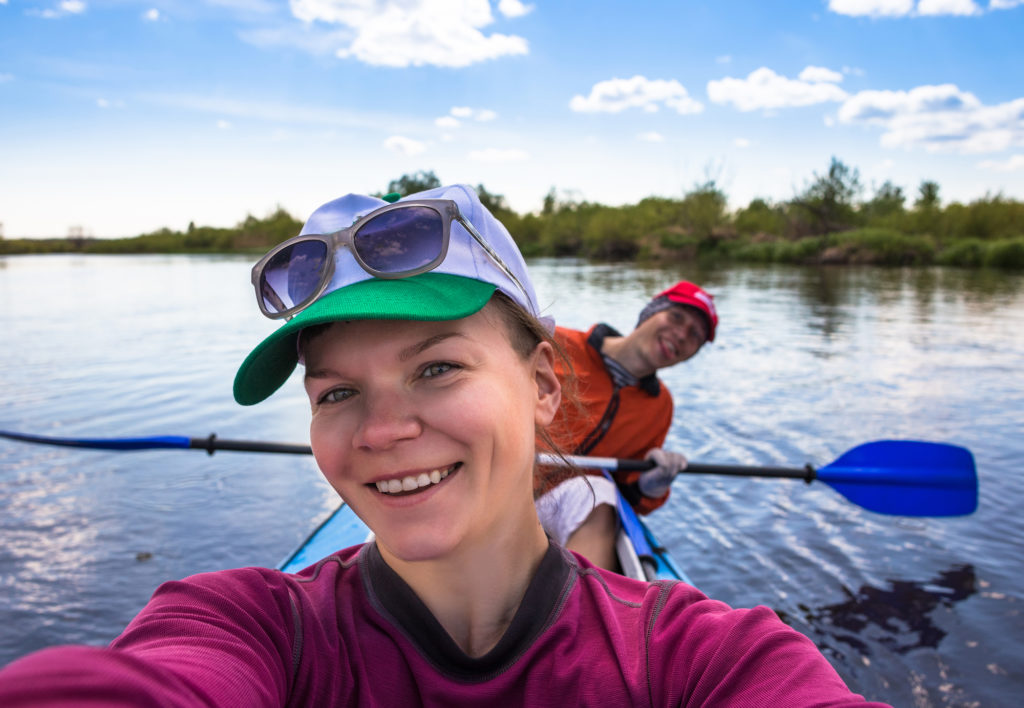
Canoe and Kayak Race: The paddle from Bass River Beach to Wilbur’s Point begins at 10 a.m., Monday, with registration from 9-10 a.m. Contestants must have Coast Guard-approved floatation devices to participate, and anyone under 18 needs a signed slip from parents or a guardian. Paddlers follow the incoming tide, so it’s an easy ride with a post-race party for participants and friends. Registration is $20. Find more at the festival website:

Parade

Other attractions: There are loads of other activities at the fairgrounds, including a raptor show, Jaws of Life presentation, wildlife, pumpkin decorating, science experiments, K-9 demos, kids’ crafts, all-day music, and a pie-eating contest. Check the festival website and Facebook page for more information: yarmouthseasidefestival.com/ and facebook.com/yarmouthseasidefestival/.

This Yarmouth Seaside Festival is sponsored in part by the Town of Yarmouth’s Tourism Revenue Preservation Fund, which is derived from local hotel and meals taxes. Find a list of other sponsors at the festival website.

Fall festival at Taylor-Bray Farm

Maybe you like the turf better than surf? If so, check out the agricultural activities at historic Taylor-Bray Farm. The nonprofit farm is hosting its Fall Festival on Saturday, Oct. 12, from 10 a.m. to 4 p.m., while the weekend long Yarmouth Seaside Festival proceeds (rain date is Oct. 13).

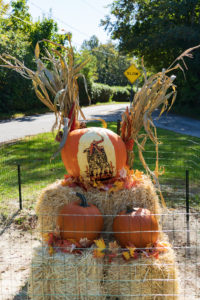
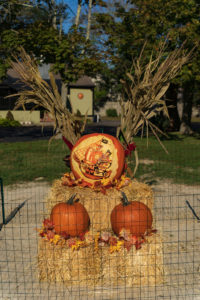
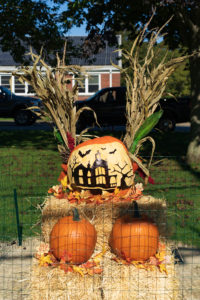
Scarecrow on haystack with pumpkins

Activities at the farm will include hay wagon rides, old-time games, a raffle for a giant pumpkin (kids only) and a candy corn counting contest (guess how many corns are in the jar and you win the whole jar). There will also be refreshments, including hot dogs, cider and donut holes.

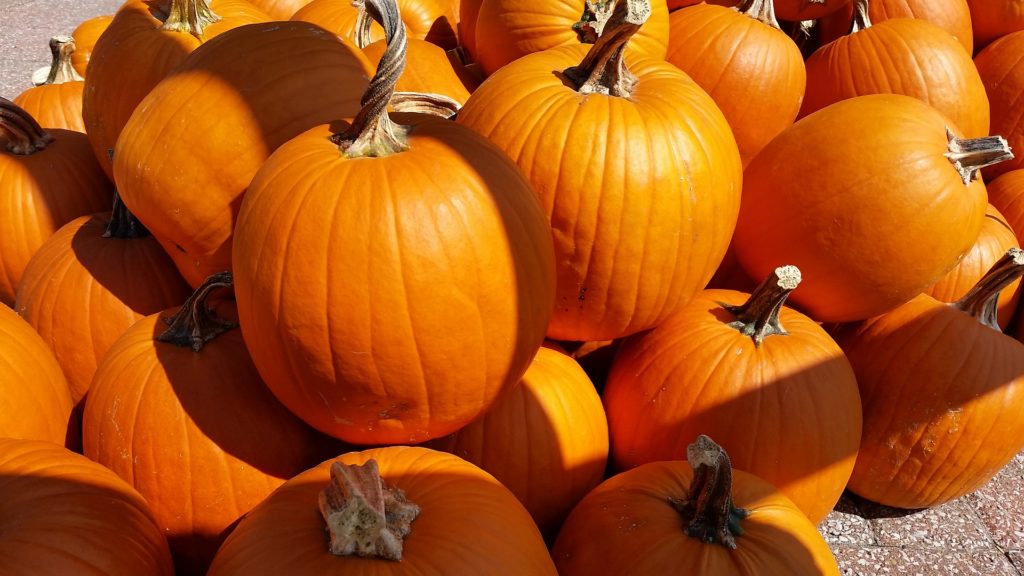
The 379-year-old farm is also home to miniature donkeys Nester and Sam, Dusty the Nubian goat, Chloe the highland cow, and assorted sheep and chickens. Visit with the animals, soak up some agrarian history, and support the historic farm by purchasing your Halloween pumpkins on site. Admission is free, but there’s a suggested $5 donation for parking. All proceeds and donations go toward feeding the animals, maintaining the grounds and educational programs.

Donkeys

Taylor-Bray Farm is located at 108 Bray Farm Road North in Yarmouth Port. Find more information about the farm and festival at the Taylor-Bray Farm website: taylorbrayfarm.org/.

This event is sponsored in part by the Town of Yarmouth’s Tourism Revenue Preservation Fund.

Andy Tomolonis is a nonfiction author, travel writer and freelance journalist.

Top 5 Summer Activities

By Andy Tomolonis

We’ve compiled this “sand-bucket list” of five fun things to do in and near Yarmouth – from beach walks to bike rides to meals on railroad wheels. Start your summer vacation with a few of these ideas, and the sizzling memories will keep you warm until next summer.

Shore delights:

Yarmouth’s beautiful beaches beckon long past Labor Day, with white sand, spectacular scenery, and warm Nantucket Sound waters (slightly cooler on the Cape Cod Bay side). Bare-footers take note: the sand is cooler in late August and September so you can wriggle your toes in comfort. After Labor Day there are no lifeguards, which means you’ll need to watch the children carefully. But regulations also ease up in the fall, allowing for dogs on leashes. Please be courteous and clean up after your pup (think about those bare-footers). Find more information about fresh- and salt-water beaches on the Chamber’s website:  https://www.yarmouthcapecod.com/scenic-yarmouth/beaches/

Sand Sculpture Trail:

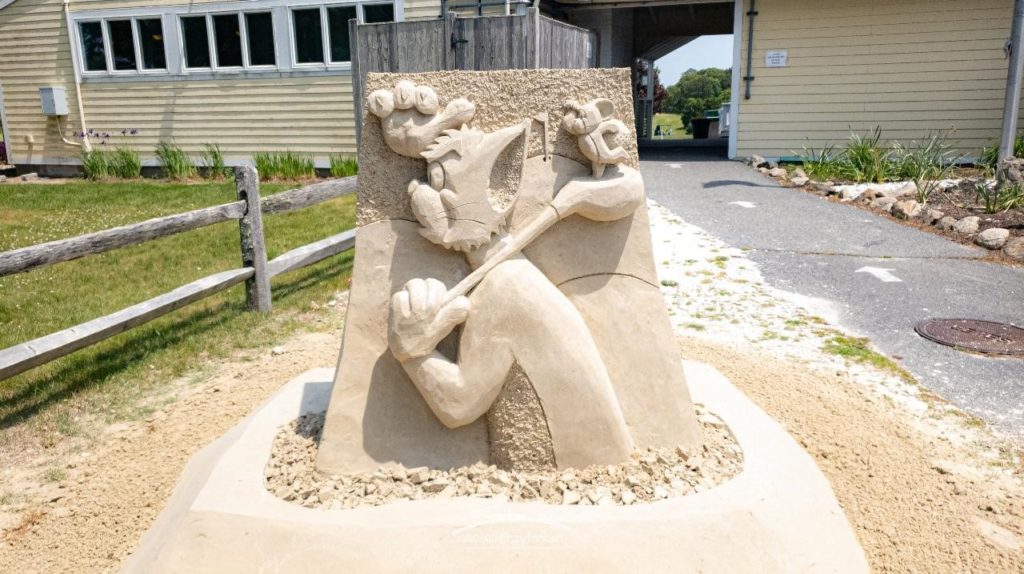
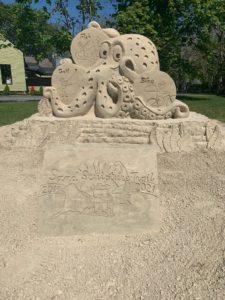
Like sand? How about art? Then take a tour of the nation’s largest Sand Sculpture Trail, done by Fitzysnowman’s Studios. Grab a map of the trail at the Yarmouth Chamber of Commerce Visitor Center, the Route 6 Visitor Center, or download one from the website. And remember to take pictures at your favorite sculpture. The Chamber’s photo contest is still open through Labor Day, and you could win great prizes from local merchants. Learn more at https://www.yarmouthcapecod.com/sand-sculpture-trail-photo-contest/

Inflate your spirit:

Cape Cod Inflatable Park – along with its adjoining Challenge Zone obstacle course and H20 waterpark. Tame Pavlin the Bull, stick yourself to the Castle Wall or try the Triple Bungee. Too old for trapezes, wrecking balls and slam dunks? That’s OK. Parents who want to do nothing but relax, while the kids bounce from ride to ride are admitted free to the Challenge Zone and Inflatable Park. Check the website for information on rides, parking, food, lodgings and prices. https://capecodinflatablepark.com/

Pedal the Rail Trail:

The iconic Cape Cod Rail Trail – a favorite spot for cycling, jogging, strolling, and rollerblading – extends all the way to West Yarmouth. Put your pedals to the mettle with a long ride from Higgins Crowell Road to Lecount Hollow Road in Wellfleet (and back, whew!) … or take it easy with the kids on a shorter section. The Rail Trail course is generally level and smooth, which makes for easy riding, running, or rolling. The new section includes three bridges – one spanning Route 134 in South Dennis, another stretching across Station Avenue in South Yarmouth, and the George Allaire Bridge over Bass River and into Dennis. Find more info at the Cape Cod Rail Trail website: https://www.capecodbikeguide.com/railtrail.asp

Dine on the Rails:

Hungry for scenery? Board the Cape Cod Dinner Train in the neighboring town of Hyannis for a five-course meal and a three-hour evening ride through cranberry bogs, marshes, woodlands and quaint Cape Cod villages. Along with the scenery, history, and old-fashioned charm, guests will listen to romantic music by candlelight and dine on a sumptuous meal. There’s also a brunch and luncheon trains, along with scenic (non-dining) tours. Find more information about the dinner train and other rail rides at https://www.capetrain.com/.

Andy Tomolonis is a nonfiction author, travel writer and freelance journalist.