Stay safe while kayaking Yarmouth’s waterways

Need some outdoor exercise but still want to practice social distancing? Go paddle a kayak.

Flatwater kayaking on Yarmouth’s coastal waterways offers a welcome break from the home office – complete with the aroma of salty air and a chance to spot egrets, osprey and great blue herons. Best of all, you can do it from the cockpit of your personal, human-powered watercraft, keeping a safe distance from other paddlers.

Kayaking is also a wonderful low-impact workout. Even leisurely paddling exercises the core and upper body muscles, while offering moderate aerobic benefits. Depending on wind speed, currents, your weight and other variables, kayaking will burn roughly 200 to 450 calories per hour.

The sport is inexpensive, family friendly, fun for kids and, yes … some people even take their dogs out with them. Lightweight kayaks are easy to move and can be transported longer distances on the roof of a car. But you won’t have to travel far to find great paddling places on Cape Cod – especially in Yarmouth, which maintains numerous public boat launching areas. Finally, if you want to try the sport without buying a kayak, you can do that, too.

Bass River Kayaks & Paddle Boards, located on the east bank of Bass River at 118 Main Street, West Dennis (next to Sundancer’s), will rent you a kayak, deliver it and pick it up when you’re finished, says co-owner Ashley Smith. There are limitations to the local deliveries, which you can find – along with the store’s rental rates and hours of operation – at the Bass River Kayaks & Paddle Boards website. The physical store is preparing to open on May 23, if allowed under statewide COVID-19 policies, Smith said. But even if the physical store is closed, rentals and deliveries are still available by phone (508) 362-5555.

You can also rent a kayak and use it right on Bass River, Smith says, noting that Cape Cod’s longest river is a superb location for beginners.

Bass River is roughly 6 miles long, stretching from Mill Pond in Yarmouth Port to Smuggler’s Beach on Nantucket Sound, with numerous saltwater ponds and coves for quiet exploration. The Cape’s flat terrain makes Bass River easy for paddling in most locations, with no rapids or whitewater. But the river is a tidal waterway, Smith explained, meaning water flows upstream on an incoming tide and back downstream after high tide, changing direction every six hours. Paddlers can take advantage of the currents by planning their upriver trips on an incoming tide and taking a break for lunch before paddling back downstream once the current turns. Some other practical kayaking tips from Smith:

  • Always paddle with another kayaker and wear a life vest. The Coast Guard requires a life vest for each occupant of a boat, and for kayakers, it’s best to actually wear the vest instead of keeping it stashed onboard.
  • Even though the air temperature may be 70 degrees, the water temperature is still quite cold in May and early June. Staffers at Bass River Kayaks & Paddle Boards advise boaters to wait until the water temperature reaches at least 55 degrees F. And don’t venture too far from shore when the water is cold. You can call the kayak store to ask about water temperatures, tides and wind conditions or check one of the many websites that publish local water temperatures.
  • Keep close to the riverbanks. Not only will you get a better view of nature, but you’ll stay out of the channel and away from motorized watercraft. More precisely, motorboats navigate between the red and green channel markers, so kayakers should strive to stay between the shorelines and the marked channels. Also note that motorboats have the right of way (and they can’t slam on the brakes if you cut in front of them).
  • For easier paddling and calmer water, keep to the lee or sheltered side of the river. The calm water also makes it easier to see the bottom.
  • Carry a waterproof dry bag with clothes and a few necessities – just in case. Kayaks are much more stable than canoes, but accidents can happen. If you do get wet, you can reach into your waterproof bag for dry clothing. Sunscreen and bug repellent are also recommended.
  • Pack some snacks and drinking water. If it’s hot, you’ll need the water to stay hydrated, and you might want to stop for a picnic. Plus, if you have an emergency during your trip, the cell phone will come in handy. The Coast Guard also requires boaters to carry a sound-making device (kayakers can get by with a loud whistle on a lanyard).
  • Watch for heavier currents under bridges, where waterways narrow like a funnel. North of the Highbank Road Bridge on Bass River, paddling can be a little tricky when the current is running at its peak.

Some prime paddling spots along Bass River: The mile-and-a-half stretch from Route 28 south to Smuggler’s Beach on Nantucket Sound has lots to see – including osprey nests, egrets, cormorants and great blue herons. The West Dennis Fingers, on the Dennis side of the River, is a series of boat canals with beautiful homes. Heading upstream, Grant Cove is a nice spot for exploring quiet coves and inlets. The cove is also close to Wilbur Park in Yarmouth, where you can park a car.

Beyond Bass River, paddlers might want to explore Parker’s River, Swan Pond, Long Pond, Lewis Bay or other locations. Freshwater boat launches are found on Long Pond (at the end of Davis Road) and on Dennis Pond (off Summer Street) to the north, you can try to find the Bass Hole and Gray’s Beach site in Yarmouth Port, although the water gets shallow at low tide. Find a map of Yarmouth’s saltwater boat ramps at the town’s Division of Natural Resources Website.

Be aware that there are some new pandemic-related rules for Massachusetts boating ramps, according to Yarmouth Natural Resources Director Karl van Hone. The state now requires face masks and social distancing at public boat ramps. Other rules include no loitering or gathering at boat ramps for fishing tournaments or other activities and keeping boat occupants to members of the same family (not a problem with single-person kayaks). Find complete rules at the state Department of Fish and Game.

Andy Tomolonis is a nonfiction author, travel writer and multimedia journalist.

The Center for Historic Shipwreck Preservation

Students can now explore ancient shipwrecks, study marine science, dive into America’s maritime history and relive the Golden Age of Piracy – all without leaving their homes.

The Center for Historic Shipwreck Preservation (Shipwreck Center for short) launched a new online learning program in April, using the expertise and archaeological treasures of the Whydah Pirate Museum in Yarmouth. The project, which is up and running but still being expanded and refined, was prompted in part by the COVID-19 pandemic.

Brandon Clifford, executive director of the nonprofit Shipwreck Center, said education has always been a big part of the organization’s mission, but the virtual learning program was created after public schools shut down in March due to the novel coronavirus pandemic. He said he helped set up remote classrooms for the Laurel School in Brewster, where his daughter is a student.

“After watching my daughter and her classmates become separated, I just felt inclined to do something positive and help out in any way that I could,” he said. And that work led to the bigger project.

“We realized that we could potentially reach, hundreds or thousands of students online across the country and connect them this with this really unique history of pirates,” Clifford said in a telephone interview.

In addition to pirate history, the virtual learning program will cover a wide range of ocean-related topics, he explained. Lessons will reach students in kindergarten through 12th grade, with two categories – history and STEM (science, technology, engineering and math). The center also provides lesson plans and educator guides – all approved for Massachusetts schools, Clifford said.

Treasures from Whydah Bring Lessons to Life

Brandon Clifford is the son of undersea archaeological explorer Barry Clifford, who discovered the Whydah Gally shipwreck in 1984 and founded the Whydah Pirate Museum in West Yarmouth. The Shipwreck Center is independent from the pirate museum, with its own projects, research, resources and multimedia content, but Brandon Clifford’s ties to the museum and his father’s exploits help the center enhance its online classes with centuries-old artifacts recovered from the Whydah.  

“As time goes on, we’ll be able to do virtual field trips to a dive site,” he explained. Clifford envisions future explorations with “a camera out on a boat and a class being able to log on and join us for 45 minutes out on the ocean – watching how we set up our surveys and watching divers come out of the water with real pirate artifacts .”

The Whydah, a 100-foot slave ship that had been commandeered by pirate Samuel “Black Sam” Bellamy, was bound for Maine with a load of treasure when it sunk in a storm in 1717, killing Bellamy and all but two of his 146-member crew. Explorer Barry Clifford discovered the wreck near Wellfleet’s Marconi Beach in 1984, and more than 35 years later, the Whydah remains the only authenticated pirate shipwreck ever to be recovered.

The Whydah site remains a work in progress with new diving expeditions every year. Researchers are still discovering artifacts that reveal not only clues to the life of pirates, but also to the slave trade and everyday life in the 18th century, Brandon Clifford said. Three years ago, divers found some 600 manillas – copper bracelets used as currency in the slave trade. Crews also discovered a small cannon that was most likely used as a chase gun on the Whydah, and explorers hope the latest discoveries will lead them to the ship’s stern.

The wreck site is scattered on the sandy bottom roughly 1,000 feet out in the ocean, Clifford said, owing to 300 years of storms and waves eroding Cape Cod’s shoreline at a rate of roughly 3 feet per year. Explorers theorize that the Whydah broke apart in the waves and the stern drifted away.

In addition to the Whydah Gally, classes will explore other shipwrecks, Clifford said. Teams led by his father plied the water off Madagascar’s coast near the island of Sainte Marie (aka “Pirate Island”) and found a half-dozen wrecks, including one that was tentatively identified as Captain Kidd’s Adventure Gally. They also searched for the Santa Maria, Columbus’s flagship, and worked on the northern and southern coasts of Haiti, looking for Captain Henry Morgan’s ship, the Oxford.

“We are going to use all our projects as examples,” Clifford said. “We’ll look at artifacts from various shipwrecks, and as things progress, we’re going to include more classes and more guests and create more virtual field trips.”

Membership, Donations and Lessons

The Shipwreck Center is using CrowdCast for its webcast platform and raising money with Patreon.com – a web-based program used by artists, educators, writers and other creators to engage members and raise money for projects. CrowdCast integrates well with Patreon, Clifford said, allowing group questions and answers, which is well suited for a classroom environment.

The Shipwreck Center’s website contains links to the virtual education program, along with pricing and program descriptions in three membership tiers – student, family and home-schooling, and schools and classes.

Clifford says the virtual learning program currently has two Massachusetts schools enrolled, along with some student and family memberships. An April 30 webcast on the value of preserving history with expedition archaeologist and conservator Sophia Morong, was attended by roughly 60 students, he said.

Clifford is now hoping to expand the service beyond Cape Cod and Massachusetts to share the fascinating stories of Atlantic pirates.

“You know, essentially we’re storytellers,” he explained. “We’re looking for shipwrecks but we’re following stories. And we really look forward to sharing the experience with as many as possible.”

Yarmouth Chamber of Commerce blogger Andy Tomolonis is a multimedia producer, award-winning journalist and author.

Winter Birding on Yarmouth’s Conservation Trails

Sea Duck

Fall and winter hikes through Yarmouth’s conservation areas provide an underappreciated view of the town’s natural beauty. The trails are quieter, marsh grasses turn to shades of gold, and fallen leaves rustle underfoot. The quiet season is also a sublime time to view winter migratory birds, which leave the frozen, snow-covered terrain in Canada to seek food and shelter in Cape Cod’s comparatively balmy climate.

Sea duck

Yarmouth has roughly 1,800 acres of conservation land scattered around the town, with trails that ramble through woodlands, along kettle ponds and across salt marshes. The varied topography provides multiple types of wildlife habitat, which make great places for observing nature. Bird lovers walking these trails in the late fall and winter months might spy sea ducks, loons, and other cold-weather visitors, along with the many species that linger year round on Cape Cod.

Most people think that birding is only done during June, July and August, and the annual bird migration is just an exodus of summer dwellers, says Phil Kyle, naturalist, birding guide and former columnist for the Cape Cod Times. But as the summer birds retreat, new species arrive from the north, he explains. These winter migrants include some 15 to 20 species of sea ducks, which aren’t found on Cape Cod during warmer months.

Callery Darling Conservation Area

One of the best areas for spotting both waterfowl and upland birds during the chilly months is the Callery Darling Conservation Area. Located north of Route 6A, it stretches from Homers Dock Road to the salt marshes west of Center Street. Callery Darling is one of the town’s most ecologically diverse conservation areas, with overgrown cranberry bogs, abandoned farmlands, maple swamps, and salt marshes.

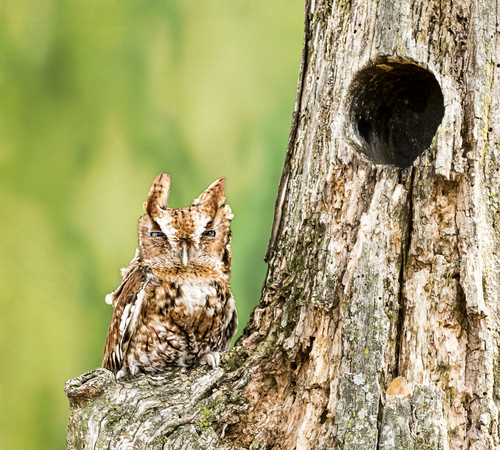
Screech Owl

The varied habitat boasts an extensive list of unusual birds that could be seen if you’re quiet, patient, and lucky. The list includes Virginia Rails, Screech Owls, Fox Sparrows, Eastern Towhee, Green-winged Teal, Hermit Thrush, Gray Catbird, Rusty Blackbird, Northern Harrier, Sanderling, Dunlin, and Tree Sparrows, Kyle said.

A highlight for all who hike the trails at Callery Darling is the 800-foot Bass Hole Boardwalk, which crosses tidal creeks and offers inspiring views of the salt marshes, especially at sunset.

Meadowbrook Conservation Area

An easily accessible hiking area – and a superb place for viewing birds – is Meadowbrook Conservation Area, overlooking Swan Pond. In addition to Mute Swans, you might see Kingfishers, Gadwalls, Hooded Mergansers, American Wigeon, and various species of Scaup, Kyle says.

The terrain at Meadowbrook consists of brackish marsh, salt marsh, and relic Atlantic white cedar swamp fronting on Swan Pond. A 310-foot boardwalk leads from the parking area to the north shore of Swan Pond.

 The best spots for spying winter birds is east of the boardwalk, Kyle advises.

Dennis Pond Conservation Area

Dennis Pond, if it’s not frozen, is another good spot to view water birds, including loons. You might also glimpse lingering cormorants, Bufflehead Ducks and Scaup, along with resident inland birds along the easy-walking trails adjacent to the railroad tracks, Kyle says.

The main trail at Dennis Pond Conservation Area is less than a mile long (about 3,285 feet) winding through varied woodlands. There’s also a side trail that follows closely along the shoreline and rejoins the main trail.

South Shore Drive

You can also spot sea ducks and other marine birds along Yarmouth’s beaches, says Kyle. So if long walks along the churning shoreline bring comfort to the winter in your soul, pack a pair of binoculars and head to South Shore drive. Yes, there are hotels, homes and cottages to the north, but there’s also the beauty of Nantucket Sound to the south, with salty southwest winds blowing off the water.

Mute Swan

The invigorating shoreline trek will take you about 1.3 miles from Bass River Beach (aka Smuggler’s Beach) along South Shore Drive to Thacher Park Beach. There’s a sidewalk and easy parking. Now that summer has gone, you’ll find plenty of empty spaces at the beachfront lots.

Plenty More Trails to Explore

Yarmouth has many other conservation areas, with trails and natural beauty for autumn and winter hikes. If you’re feeling ambitious, try the Bud Carter Memorial Trail, which winds through 300 acres of conservation land and is home to Yarmouth’s highest elevation – 118 feet above sea level. On a clear day you can see all the way to Manomet Point in Plymouth. Walking is also a little more trying on these trails, with some loose rocks, narrow paths, and unmarked side trails. (Note: The main trail is marked in red, and loop trails to the north and south are designated with orange markers.)

Horse Pond Conservation Area has 400 acres, with a main trail that follows the northern perimeters of Horse Pond. You’ll also find numerous spurs, loops and connectors to other trail systems.

Sandy Pond Conservation Area surrounds Sandy Pond, a 12-acre kettle pond with steep slopes and a depth of roughly 35 feet. A nature trail leads around the pond and connects to other trails to the north, west, and east. The adjoining trails can lead for miles, so don’t wander too far.

Sparrow

Thatcher Shore Conservation Area consists of mostly salt marsh with a short trail through wooded thicket. The marsh end of the trail offers a chance to see numerous wading birds, along with ospreys and other raptors flying overhead. This is also a good spot to test your vision on a clear day. Look northward and see if you can find the needle pointing upward from the horizon. It’s Pilgrim Monument in Provincetown.

Raymond J. Syrjala Conservation Area has 15 acres, with a 3,500-foot looping trail that winds through wetlands. A man-made reservoir to the east was once used to store water for cranberry bogs that are now abandoned and overgrown.

Find more walks – along with trail rules and additional details about the places we’ve listed here – by downloading maps of Yarmouth’s conservation areas and trails. Print out the maps or send them to your mobile phone before you set out on your adventure.

What to Bring on your Walk

Binoculars

Weather conditions can change rapidly during the fall and winter months, and the best way to dress for change is to wear layers. A water-repellent windbreaker over a fleece vest is a good option, because you can unzip if it’s warm or bundle up when a cold wind whips in. Also bring along some water, a snack, and a map of the trail areas. Keep in mind that deer ticks are active on warm days in autumn, and you can still catch poison ivy from contacting the purplish-gray stems and telltale white berries.

If you’re planning to watch for birds, don’t forget the binoculars. Kyle suggests wearing earth tones and keeping relatively quiet as you make your way through the woods. Loud noises and colorful clothing will alert birds to your presence, and they may fly away before you get a chance to see them.

Be Careful of Hunters

One final but important safety note: Yarmouth allows hunting on some of its conservation land, so hikers should pay attention to signs during hunting season and be aware that you may be sharing the woods with hunters. Some tips:

  • Avoid hiking at dusk and dawn, which are the most popular times for hunting. Wooded areas are darker at those times, so you might not be seen as easily.
  • If you’re hiking in an area that is open to hunting, forget the earth tones. Instead, go with hunter orange or another bright color. The American Hiking Association suggests wearing a bright orange knit cap. Also remember to put a brightly colored vest or coat on your dog. Talking while walking is also a good way to remain noticeable.
  • Don’t wander off the main trails. Hunters tend to follow smaller game trails and are less likely to be encountered on main walkways.

FInd more information about hunting in Yarmouth here: https://www.yarmouth.ma.us/174/Hunting.

Andy Tomolonis is a nonfiction author, travel writer and multimedia journalist.

Jump into fall with Yarmouth family festivals

By Andy Tomolonis

Call it a last blast, fall fling, or one more chance to hang out with friends before the weather turns chilly and everyone starts disappearing indoors. Or just call it the Yarmouth Seaside Festival.

Seaside Festival

Whatever your title, the town’s annual Columbus Day weekend bash boasts a flurry of outdoor activities during mid-October, taking advantage of the cool days and crisp autumn evenings. It’s the perfect time for hearty foods and family fun – like a beach side bonfire, a canoe and kayak race, evening fireworks and a parade. Throw in a massive craft fair, a pie-eating contest, sand sculpting competition, non-stop music and dozens of free activities, and you get a pretty good picture of what the Yarmouth Seaside Festival (YSF) is all about.

Jan Butler, who started the party back in 1979, says her goal was to build community spirit and unite all the far-flung villages in Yarmouth. The festival continues to hit those goals as it grows in popularity every year.

We’ve compiled this “sand-bucket list” of five fun things to do in and near Yarmouth – from beach walks to bike rides to meals on railroad wheels. End your summer vacation with a few of these ideas, and the sizzling memories will keep you warm until the summer of 2020.

Events are free with a few exceptions – things like food, gifts and handmade goodies at the craft fair, and registration for the canoe race. The festival is also 100 percent family oriented, Butler said. So, get ready for a weekend that’s wallet friendly and family friendly all at once. Here are some highlights:

Arts and Crafts Fair: Get a two-month jump on your holiday shopping with artisan gifts from more than 125 juried crafters who will be displaying their jewelry, soaps, candles, watercolor paintings, and other handmade goods. The crafters will be open for business from 10 a.m. to 5 p.m. on both Saturday and Sunday at the festival fairgrounds (Joshua Sears Memorial Field, 1175 Route 28, in South Yarmouth). Check out the festival website for a list of vendors, many with links to individual websites for even more info: yarmouthseasidefestival.com/craft-fair/.

Bonfire on the Beach

Bonfire at Bass River Beach: Dance to music from DJ Patrick or just chill and fill your belly with chowder, burgers, hotdogs, chili, onion rings, and other hearty foods – all beside the amber light of a roaring beachside bonfire. Don’t forget your blanket and beach chairs. The bonfire runs from 5-8 p.m. at Bass River Beach (Smuggler’s Beach if you’re a local).

YSF Parade: This year’s theme is American Patriotic Pride, so expect some red, white, and blue to complement the rusty hues of autumn. The march begins at noon on Sunday, Oct. 13, from the old Yarmouth Drive-in property (across from Captain Parker’s Pub). It proceeds eastward down Route 28 and winds up at the State Police barracks.

Fireworks

YSF Fireworks: This might be your last chance to catch a little “Sssssss … boom … ahhhhh!” before New Year’s Eve, so don’t miss the opportunity. Plus, it’s one more excuse to go to the beach. The pyrotechnics are set to begin at 8 p.m., Sunday, from Seagull Beach in West Yarmouth. Butler says the American Thunder fireworks company of North Reading has been running the show since the festival began 41 years ago, and they do a fantastic job. The display typically lasts about 20 minutes, she says, and it’s a high-energy show from start to finish. Note: The parking lot fills quickly at Seagull Beach, but the view is also great from Smuggler’s Beach, Parkers River Beach, and pretty much anywhere along the south-facing coastline, Butler says.

Sand Sculpture Contest: Like the parade, this year’s theme is American Patriotic Pride, so go with the flow. Contestants arrive at Bass River Beach (Smuggler’s Beach) and choose a spot or are assigned a site where they will create their sculptures. Winning sculptures receive awards, and everyone gets a chance to play in the sand. Remember to bring your own shovels, trowels, rakes and pails. The event gets underway at 9 a.m. Monday and ends at noon.

Canoe and Kayak Race: The paddle from Bass River Beach to Wilbur’s Point begins at 10 a.m., Monday, with registration from 9-10 a.m. Contestants must have Coast Guard-approved floatation devices to participate, and anyone under 18 needs a signed slip from parents or a guardian. Paddlers follow the incoming tide, so it’s an easy ride with a post-race party for participants and friends. Registration is $20. Find more at the festival website:

Parade

Other attractions: There are loads of other activities at the fairgrounds, including a raptor show, Jaws of Life presentation, wildlife, pumpkin decorating, science experiments, K-9 demos, kids’ crafts, all-day music, and a pie-eating contest. Check the festival website and Facebook page for more information: yarmouthseasidefestival.com/ and facebook.com/yarmouthseasidefestival/.

This Yarmouth Seaside Festival is sponsored in part by the Town of Yarmouth’s Tourism Revenue Preservation Fund, which is derived from local hotel and meals taxes. Find a list of other sponsors at the festival website.

Fall festival at Taylor-Bray Farm

Maybe you like the turf better than surf? If so, check out the agricultural activities at historic Taylor-Bray Farm. The nonprofit farm is hosting its Fall Festival on Saturday, Oct. 12, from 10 a.m. to 4 p.m., while the weekend long Yarmouth Seaside Festival proceeds (rain date is Oct. 13).

Scarecrow on haystack with pumpkins

Activities at the farm will include hay wagon rides, old-time games, a raffle for a giant pumpkin (kids only) and a candy corn counting contest (guess how many corns are in the jar and you win the whole jar). There will also be refreshments, including hot dogs, cider and donut holes.

The 379-year-old farm is also home to miniature donkeys Nester and Sam, Dusty the Nubian goat, Chloe the highland cow, and assorted sheep and chickens. Visit with the animals, soak up some agrarian history, and support the historic farm by purchasing your Halloween pumpkins on site. Admission is free, but there’s a suggested $5 donation for parking. All proceeds and donations go toward feeding the animals, maintaining the grounds and educational programs.

Donkeys

Taylor-Bray Farm is located at 108 Bray Farm Road North in Yarmouth Port. Find more information about the farm and festival at the Taylor-Bray Farm website: taylorbrayfarm.org/.

This event is sponsored in part by the Town of Yarmouth’s Tourism Revenue Preservation Fund.

Andy Tomolonis is a nonfiction author, travel writer and freelance journalist.

Top 5 Summer Activities

By Andy Tomolonis

We’ve compiled this “sand-bucket list” of five fun things to do in and near Yarmouth – from beach walks to bike rides to meals on railroad wheels. Start your summer vacation with a few of these ideas, and the sizzling memories will keep you warm until next summer.

Shore delights:

Yarmouth’s beautiful beaches beckon long past Labor Day, with white sand, spectacular scenery, and warm Nantucket Sound waters (slightly cooler on the Cape Cod Bay side). Bare-footers take note: the sand is cooler in late August and September so you can wriggle your toes in comfort. After Labor Day there are no lifeguards, which means you’ll need to watch the children carefully. But regulations also ease up in the fall, allowing for dogs on leashes. Please be courteous and clean up after your pup (think about those bare-footers). Find more information about fresh- and salt-water beaches on the Chamber’s website:  https://www.yarmouthcapecod.com/scenic-yarmouth/beaches/

Sand Sculpture Trail:

Like sand? How about art? Then take a tour of the nation’s largest Sand Sculpture Trail, done by Fitzysnowman’s Studios. Grab a map of the trail at the Yarmouth Chamber of Commerce Visitor Center, the Route 6 Visitor Center, or download one from the website. And remember to take pictures at your favorite sculpture. The Chamber’s photo contest is still open through Labor Day, and you could win great prizes from local merchants. Learn more at https://www.yarmouthcapecod.com/sand-sculpture-trail-photo-contest/

Inflate your spirit:

Cape Cod Inflatable Park – along with its adjoining Challenge Zone obstacle course and H20 waterpark. Tame Pavlin the Bull, stick yourself to the Castle Wall or try the Triple Bungee. Too old for trapezes, wrecking balls and slam dunks? That’s OK. Parents who want to do nothing but relax, while the kids bounce from ride to ride are admitted free to the Challenge Zone and Inflatable Park. Check the website for information on rides, parking, food, lodgings and prices. https://capecodinflatablepark.com/

Pedal the Rail Trail:

The iconic Cape Cod Rail Trail – a favorite spot for cycling, jogging, strolling, and rollerblading – extends all the way to West Yarmouth. Put your pedals to the mettle with a long ride from Higgins Crowell Road to Lecount Hollow Road in Wellfleet (and back, whew!) … or take it easy with the kids on a shorter section. The Rail Trail course is generally level and smooth, which makes for easy riding, running, or rolling. The new section includes three bridges – one spanning Route 134 in South Dennis, another stretching across Station Avenue in South Yarmouth, and the George Allaire Bridge over Bass River and into Dennis. Find more info at the Cape Cod Rail Trail website: https://www.capecodbikeguide.com/railtrail.asp

Dine on the Rails:

Hungry for scenery? Board the Cape Cod Dinner Train in the neighboring town of Hyannis for a five-course meal and a three-hour evening ride through cranberry bogs, marshes, woodlands and quaint Cape Cod villages. Along with the scenery, history, and old-fashioned charm, guests will listen to romantic music by candlelight and dine on a sumptuous meal. There’s also a brunch and luncheon trains, along with scenic (non-dining) tours. Find more information about the dinner train and other rail rides at https://www.capetrain.com/.

Andy Tomolonis is a nonfiction author, travel writer and freelance journalist.

Your Guide to Arts & Culture in Yarmouth, MA

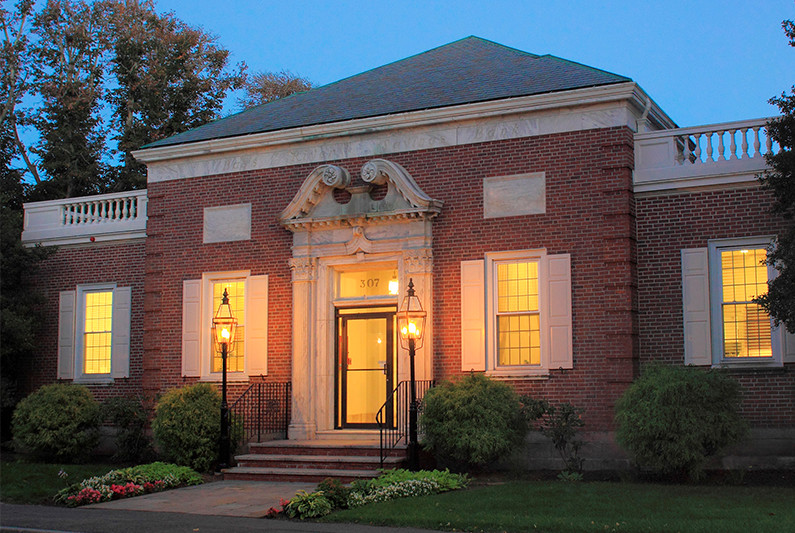
night-time exterior of the Cultural Center of Cape Cod

Cape Cod, Massachusetts is so much more than a beautiful vacation spot with picturesque beaches and scenic nature trails. Whether you are visiting the Cape for a day or a week, you will find plenty of opportunities to explore the region’s rich arts, culture, and history.

Start your exploration in Yarmouth, where sea captains anchored their families in stately homes, literary leaders honed their craft, and artists continue to find inspiration. From paint classes to pirates, here are some of the most interesting places to explore.

Step into local arts, culture, and history on Cape Cod

logo for the cultural center of cape cod

The Cultural Center of Cape Cod

Offering a wide variety of experiences, the Cultural Center of Cape Cod is the perfect way to learn about the area. Stroll through galleries displaying work from the “Fresh Paint Artists,” catch one of many visiting performers, or take one of their community-centered classes. Entertainment includes everything from stand-up storytelling to Saturday night dance parties. As for lessons – spend your day cooking “Cape Cod Cod” like the locals, or learning to paint the ocean with a glass of wine in hand. Whether you’re looking for a night out on the town or just a chance to discover something new, the Center has something for you.

sign outside the Edward Gorey House in Yarmouth Mass

The Edward Gorey House

If the macabre is in any way up your alley, be sure to visit the home of one of Yarmouth’s most influential artists. Edward Gorey is best known for his dark but charming illustrations, including his fantastically morbid alphabet book: Gashlycrumb Tinies. His gothic aesthetic has gone on to inspire the likes of Lemony Snicket, Guillermo del Toro, and of course Tim Burton. If you’re in the mood for something a little off the beaten path, this museum dedicated to Gorey’s legacy is just what you’re looking for. Uncover the mysteries behind this eccentric artist, pick up a souvenir like no other, and, if you time it right, take part in one of the seasonal festivals the house puts on.

exterior of captain bangs hallet house museum in yarmouth mass

Captain Bangs Hallet House Museum

Originally inhabited by an 18th century sea captain, this quaint little museum provides a relaxing and engaging look into the past. The house is part of Yarmouth’s Captains mile walking tour, an array of historic homes on one of Yarmouth’s main streets. While most of the buildings are privately owned, this house has been preserved just as Captain Bangs Hallet would have found it after one of his 18 month voyages to China almost two centuries ago. It features fully period furnishings, including an entirely antique kitchen Mrs. Hallet and her staff would have used. Knowledgeable guides will lead you through the house, share stories of the Captain’s thrilling adventures, and answer any questions.

exterior of the whydah gally at the whydah pirate museum

The Whydah Pirate Museum

Batten down the hatches and prepare to have your timbers thoroughly shivered; this museum might just be the highlight of your trip. The center focuses on the tale of the Whydah Gally: a former slave-ship that was commandeered by pirates in 1717. The Whydah’s story has all the best parts of pirate lore: motley crews, tragic shipwrecks, and even lost treasure. Spoiler alert: after 150 years, the latter was found and is now on display! Visitors have the chance to walk through a reconstruction of the shipwreck, get a glimpse of the on-site conservation efforts, and discover the largest collection of pirate artifacts from a single shipwreck in the world. Between the ship’s diverse and democratic crew and the team of historians working to preserve their story, there’s power and heart in the tale of the Whydah Gally – not to mention a great deal of fun.

tour guides dressed in historic costumes

Explore more history – both old and new

For an even deeper dive into Yarmouth’s coastal history, check out the Historical Society of Old Yarmouth website. You’ll find information on additional historic sites, as well as walking tour guides. Or stay up-to-date with the latest arts and culture happenings on our local events calendar for the latest local arts and culture events.

Simple Tips for Enjoying a Sustainable Beach Vacation

lifeguard stand on an empty beach

Taking steps to reduce your carbon footprint and adopt environmentally friendly practices can be a whole lot easier at home than when you’re away. When you are taking a vacation on Cape Cod, there are several simple things you can do to be green and have a more sustainable beach vacation.

Pack smart

beach bags on a bench

Traveling light can lessen fuel costs. Consider renting or borrowing whatever you can when you get to your final destination. There are also a few things that may be worth packing to reduce your environmental impact while on vacation.

Cloth or insulated bags come in handy for shopping and for bringing lunch, beach toys, and other items on your outings.

Reusable drink containers are a great alternative to single-use plastic water bottles, and travel mugs can be refilled at a local coffee shop. If you like using straws, bring your own reusable straws or use a paper one.

Cut the cord

recycle icon

Before you unplug from your day-to-day responsibilities, unplug your electronics, both at home and in your vacation lodgings. Limiting your use of electronic devices not only reduces your impact on the environment, but it can also let you experience a more relaxing vacation.

Turn off devices when you’re not using them, shut the lights off when you’re not in your room, and rely on natural daylight whenever possible.

And instead of using the air conditioning, open the windows to enjoy the cool beach breezes.

Plan your outings

Staying in Yarmouth puts you close to all that the Cape has to offer, reducing how far you will need to drive to get anywhere.

Plan your outings to minimize driving, and whenever possible, walk or bike to your destination.

Since you are planning a sustainable vacation that’s respectful of nature, take the time to explore the beautiful beaches and conservation areas in Yarmouth.

Leave things the way you found them

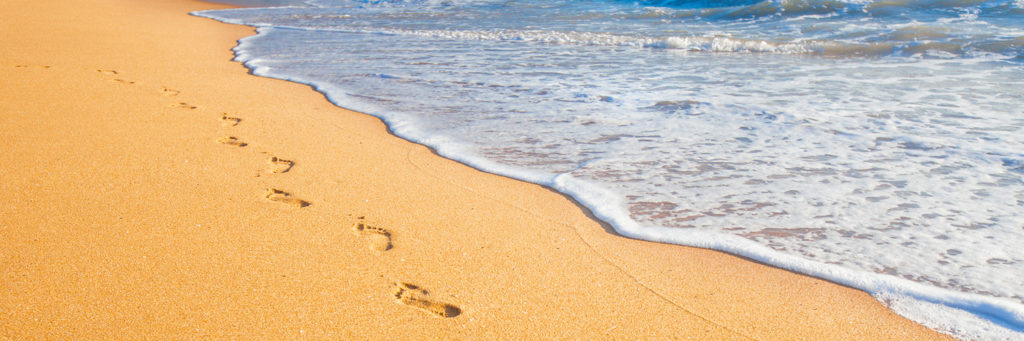
footprints on the beach

As tempting as it is to take home shells, rocks, and other things you find on the beach, the less you interfere with nature, the less your impact.

This also means cleaning up after yourself and your pets. Use trash cans and recycling bins appropriately. If you’re out and about and there isn’t somewhere to recycle, take bottles and cans with you and recycle them back at your hotel or at home.

Keep in mind that small details can make a world of difference

These are just a few ways that planning ahead and paying attention to detail can make a difference for our planet. The more that we respect our surroundings, the longer everyone will have to enjoy them.

Things to Do with Kids on Cape Cod

man and woman with two children in beach attire

You’re planning a vacation on Cape Cod with the whole family, but other than spending time on the beach, you’re not sure how you’re going to pass the time. Your kids want to stay plugged into their devices. You want to focus on family time and creating memories to last a lifetime.

First, book a stay in Yarmouth, MA for convenient access to activities throughout the Cape. Then check out our list of fun things to do when you are visiting Cape Cod with children of any age.

1. Explore the area by land or sea

With water water everywhere, you can enjoy a nautical adventure with a sightseeing cruise or a ferry to one of the nearby islands. Or take a drive through quaint towns and villages–an opportunity to encourage younger ones to take a nap while you soak in some of the picturesque views.

2. Go whale watching

cruise ship on the ocean

Seeing whales in their natural habitat is awe-inspiring. While there’s no guarantee how many whales you will see on your excursion, the boat ride alone will take a significant part of your day. Whale watching trips are generally close to four hours, and you’ll want to leave yourself enough time beforehand for boarding.

3. Reel them in with some fishing

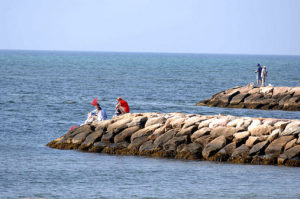
fishing on the jetty

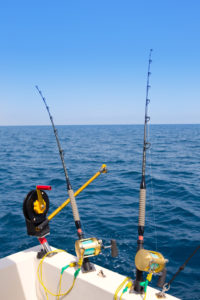
The variety of water bodies on Cape Cod provide a wide range of fishing options. Search out a lake, pond, or riverside fishing hole or take to the high seas for a day of trawling on the open waters. Even if you prefer catch-and-release, a day spent fishing teaches patience and persistence. Plus, it can give you time to slow down, relax, and talk with your kids about anything, everything, or nothing it all.

4. Get out

Burn off some energy with outdoor adventures. Take in the scenery biking, kayaking, sailing or taking a trek on the dunes. Let the kids take the wheel on a go-kart track or cool off at the water park.

5. Play a round or two

golf course on a sunny day

On Cape Cod, you’ll find expertly designed golf courses of all sizes. Not only can you take the whole family mini golfing on a putt-putt course, but you can play 9 or 18 holes with your older children on links with incredible scenic views.

6. Step back in time

Explore Cape Cod’s rich history and culture at a variety of museums and historical centers. Visit the homes of notable literary figures, check out sites that recreate the region’s legends and lore, and give your children an education without their even realizing it.

7. Indulge in a sweet treat

hand holding ice cream cone

Regardless of how else you spend the day taking a break for ice cream makes everything a little sweeter. Treat the kids to an afternoon snack or delicious dessert. Or, for teens who sleep in all morning, surprise them with ice cream for a late breakfast. It’s sure to create memories they’ll hang on to for years to come.

8. Cheer for the home team

No tickets are needed to turn out to root for your favorite Cape Cod Baseball League players. Bring the whole family to watch some of the best collegiate players take to the diamond. You never know when you’ll see a future phenom, like former Yarmouth-Dennis Red Sox pitcher Chris Sale.

9. Spend time on the beach

beach chair and umbrella in the sand

Yes, this one is kind of obvious, but it’s an essential part of a stay on Cape Cod. There are so many beautiful beaches with options on both the bay and ocean sides. Not only can you go swimming, but you can walk or play along the water’s edge or just listen to the waves going in and out. Teaching your children how to unplug and just live in the moment is an important lesson for the years ahead.

Kids grow from toddlers to teens all too fast. But with our suggestion of ways to entertain your family on the Cape, you’re sure to find plenty of reasons to keep coming back year after year. If you are looking for more general ideas, more than just kids take a look at our other list of Things to Do on Cape Cod for inspiration!

Yarmouth is for Nature Lovers

hiking trail

With over 1800 acres of land dedicated to conservation’s, nature abounds in our cozy corner of Cape Cod. We’re brimming with wildlife, vegetation, forests, marshes, bogs, and like-minded people whose very nature is basking in mother nature.

The Trails

hiking trail

Yarmouth’s sprawling interconnected trails cover the land. Find sweet serenity as you hike, bike, or walk your way from top to bottom and back again. Along the way you’ll pass by some cranberry bogs, red maple trees, and more than the occasional turkey. You may want to stop at a lake or pond, created by glaciers thousands of years ago, to cool off with a swim. Glimpse falcons, hawks, ospreys, and other birds in their natural habitat. Stroll the boardwalks for breathtaking sunset views. Relax and take in the gentle hum of forest life; what’s in front of you can’t be captured by phone or selfie-stick—though we won’t fault you for trying.

The Water

flowing creek in the woods

On Yarmouth’s trademark shoreline you’ll find beautiful views, epic scenery, and the scent of salt water in the air. Join thrill seekers and shoobies congregating for the opportunity to get out onto the open ocean. Take out a kayak or canoe and paddle from shore to shore through water fauna. Hoist up your waterproof coveralls for some shoreline crabbing. Climb aboard a fishing vessel for a deep-sea adventure. Get friendly with fish during a scuba dive or meet some meatier friends during a caged shark dive. Take a pleasure cruise scouting sites around the Cape or a day cruise to nearby Martha’s Vineyard or Monomoy Island. There are innumerable ways to get into the water and enjoy the maritime half of life in New England.

Nature’s beauty is in the eye of the beholder. With these different activities for lovers of nature, you can behold Yarmouth’s beauty in person.

Biking in Yarmouth Cap Cod

bicycle in the forest

What do you ride for? When you put your foot on the pedal, kick up the kickstand, and push off, what do you ride for? Is it the joy of the outdoors? The thrill of exploring new turf? The pleasure of spending quality time? Well, with whatever purpose you ride, you ought to be prepared. Biking is one of the many great things to do in Yarmouth, and we’ve compiled all the info you need for bike riding in Yarmouth.

Where to Ride

Yarmouth is home to many bike trails running through differing terrains and scenery. The Cape Cod Rail Trail currently spans 27.5 miles, with plans to extend even further. Starting in Yarmouth and ending in Wellfleet, the paved road follows an old freight rail that was in operation until 1960. The route passes through beautiful landscapes and various points of interest.

Bud Carter Conservation area

You can also take bikes into permitted areas in Yarmouth’s many conservation areas, like the Bud Carter Conservation Area. Bud Carter is home to Yarmouth’s highest point, 118 feet above sea level.

Whether you’re riding along the beach, the town, or a designated trail, you can be sure that you’ve never taken a bike ride as you’ve taken in Yarmouth.

What to Ride

bicycle in the forest

If you didn’t pack your own ride, you’re gonna need some wheels. The bike you’ll need depends on where you want to go and what you want to do. If you’re looking to travail the dirt trails around the lakes and conservation areas, you’ll want a mountain bike or something with fatter tires. If you’re riding along a paved road, a road bike might just do. If you’re taking a scenic ride around the beach with a pal, you might just be fixing for a tandem bike—or not. The good folks at Bike Zone in South Yarmouth off Route 6 or Barbara’s Bike Shop in South Dennis near the Bass River, will fix you up with the perfect ride and send you off with all the equipment you’ll need.

How to Ride

Before you push off, there are a few key things you should know about the biking laws in Massachusetts. Follow these rules and regulations to keep yourself and others safe from harm: Cyclists are required to obey all local and state traffic laws and regulations

  • Cyclists are required to obey all local and state traffic laws and regulations
  • All cyclists under 16 must wear a helmet
  • Verbally alert other cyclists and pedestrians when passing
  • Use hand signals to let others know you plan to turn or stop
  • You may not park your bike on a street, road, bikeway, or sidewalk where it will be in the way of others

Click here for more information about Massachusetts biking laws.

Click here to learn more about road safety for cyclists.

Now you have all the resources and information you need for bicycling in Yarmouth. Get on your bikes and ride!